
Gorgeous Swords
but are they made in the period?

In the last week or so, by happenstance, I spent some time pondering provenance and the idea of forgeries when it comes to antique swords. This is not a new problem, and it has been with us in various forms for some time now. My issue is a pragmatic one, as it affects our ability to form a correct impression of the past.
Aspects of the Problem
The most innocent of changes, which can still affect our understanding of the emergence of particular types, is when old blades were reused during the period. This is when good blades made some hundred years earlier were reused on later hilts. Having some knowledge can alleviate this issue. But we can imagine how just dating the blade may result in perceiving a hilt as being older than it is.


The first problem is when old blades and old hilts are put together by later curators. This is the case of collections amassed in the Victorian era. Old blade, old hilt, old fittings, what’s the harm? Well, did this type of late sidesword exist? Or is the merging of a sidesword hilt and a rapier blade that was never a type in the period?
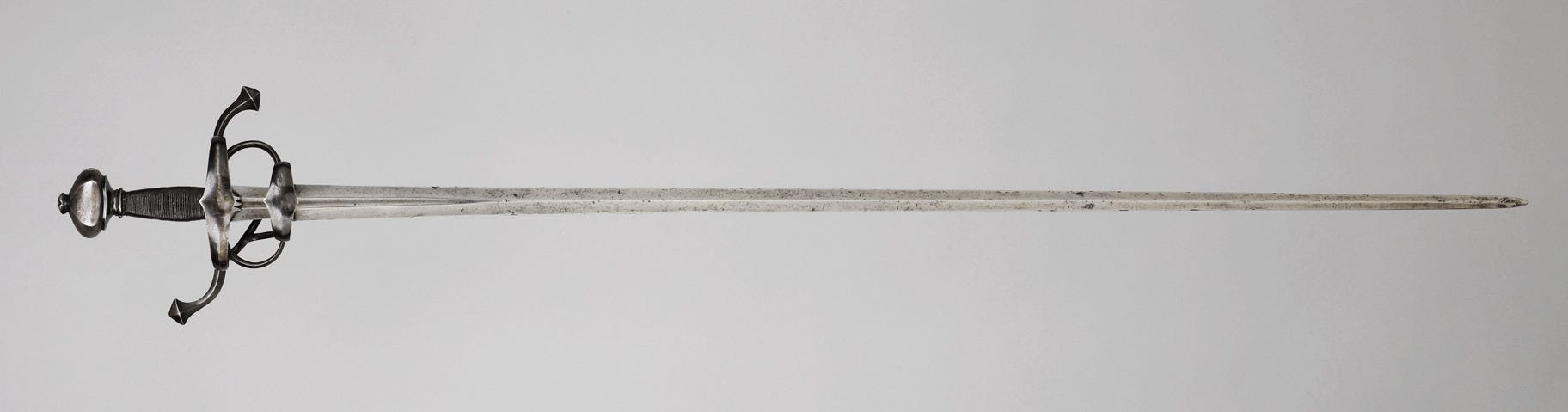
In Victorian times, we also see the start of the historicism current. New swords for the period were made in an old style. Yet fullers are not done right. Grips are too long. Metal rings were added to secure the ends of the grips. We also get fittings in a style that didn’t actually exist in this combination. Add on top modern sword makers liking the look of these pieces, and using them as a reference for mass-produced sharp swords, and we see how the perception of the past is changed on a grand scale.
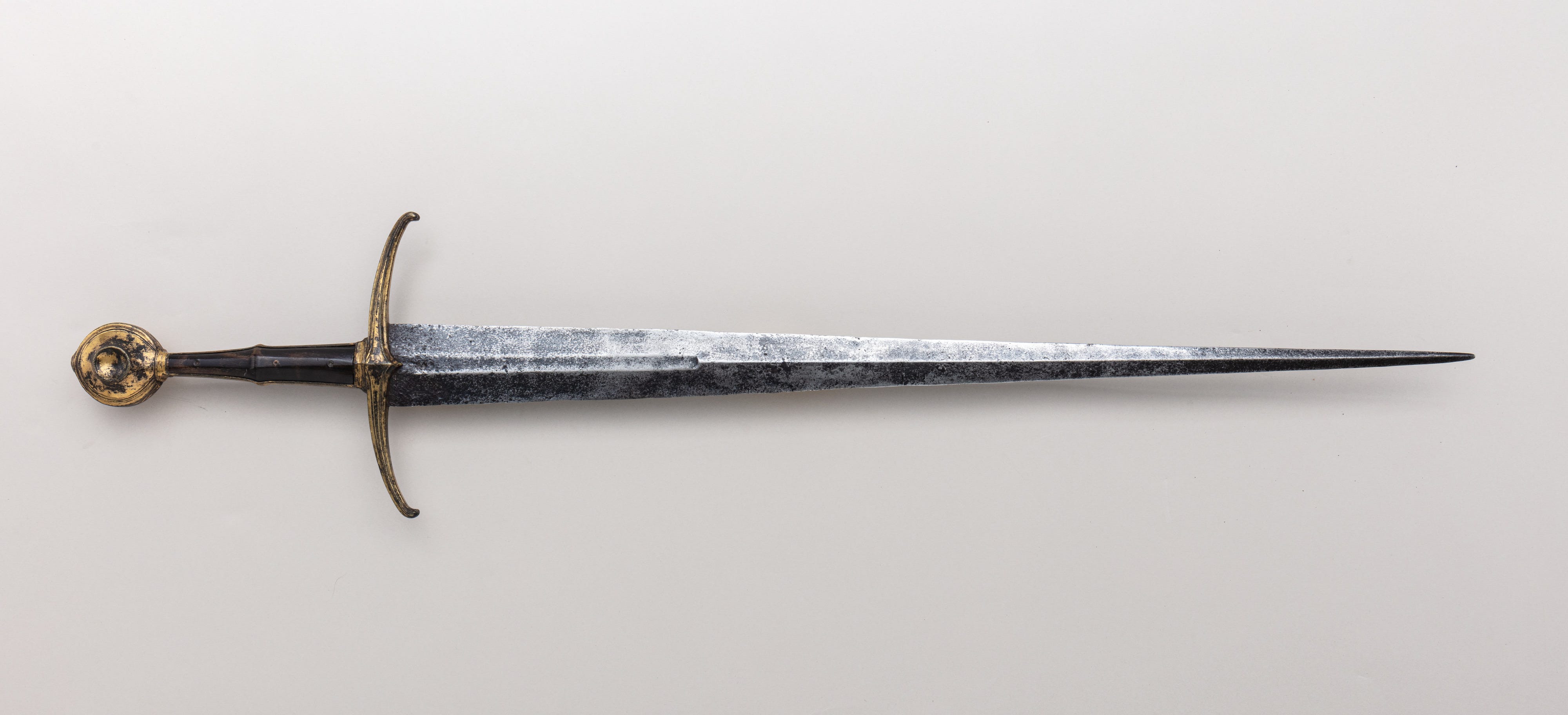
A variation on this is the 1900s Germany case, when well-off German families craved a bit of legitimacy and started making family swords in the style of old ones. All these need to be separated from surviving extant pieces.
Last, we have the fraudulent case of new pieces, maybe made in the 90s, aged artificially, with even patina, over large parts of their surface and between different examples. Suspect provenance is usually part of the problem, and so are efforts to legitimate pieces.
A Nice Display
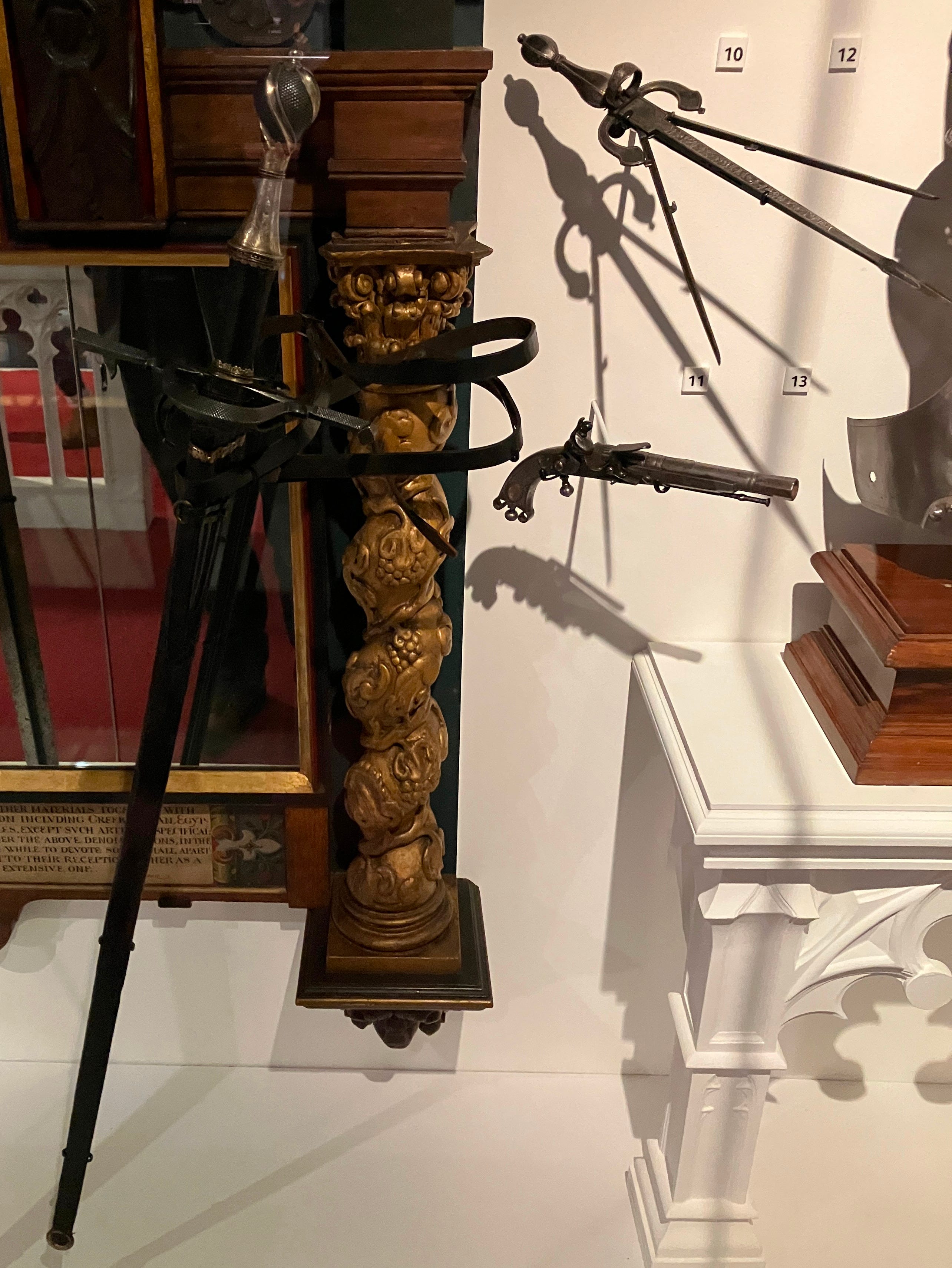
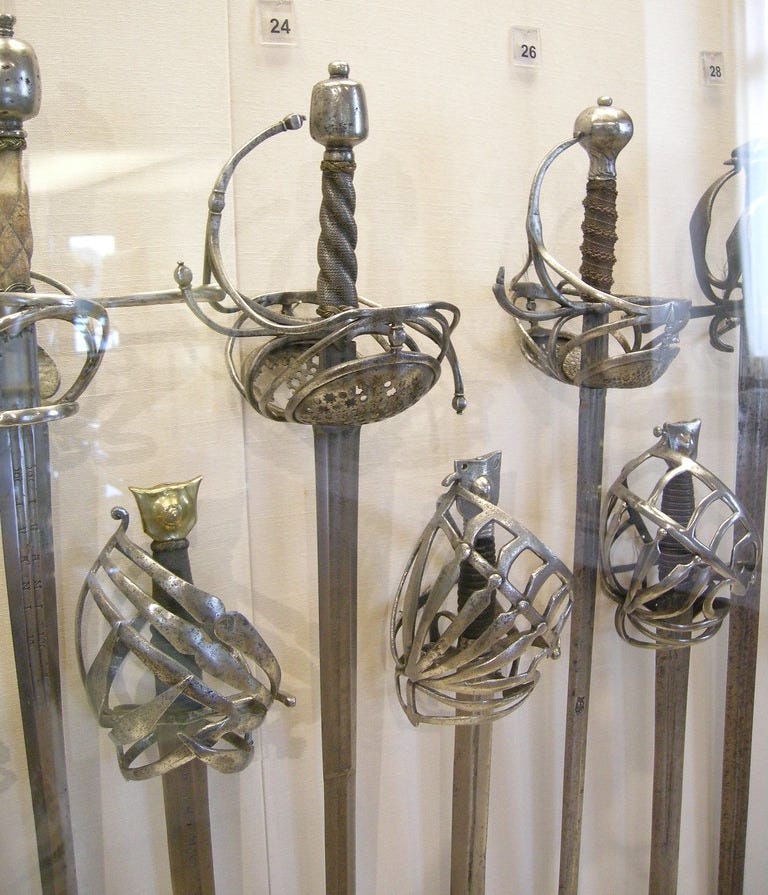
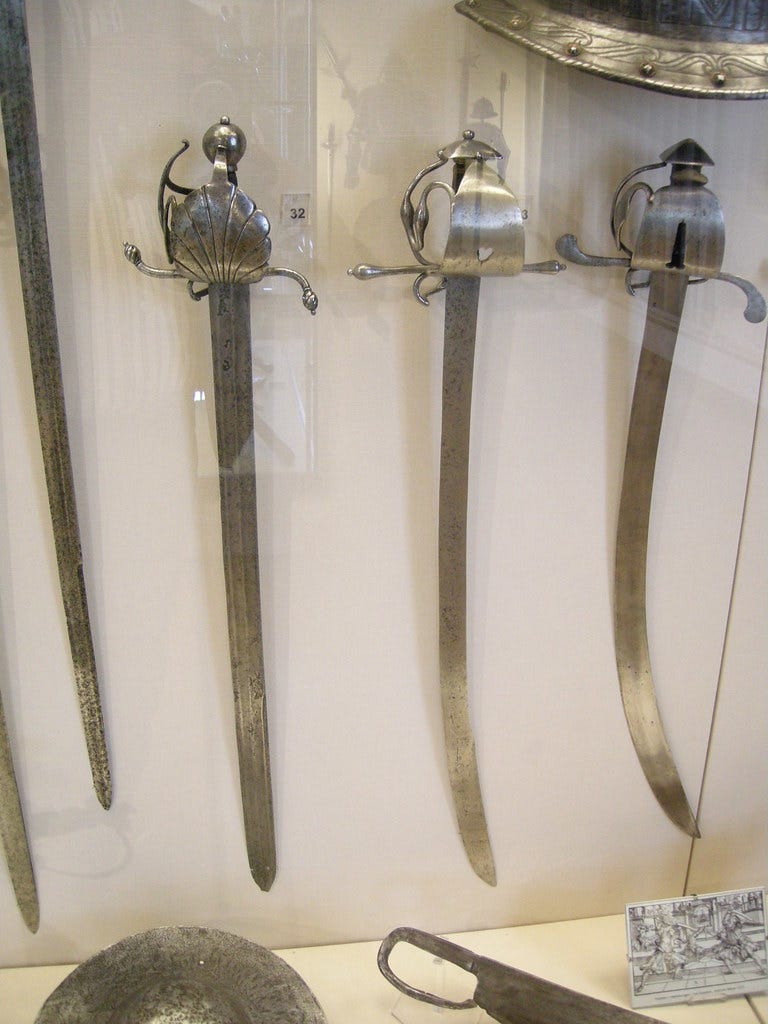
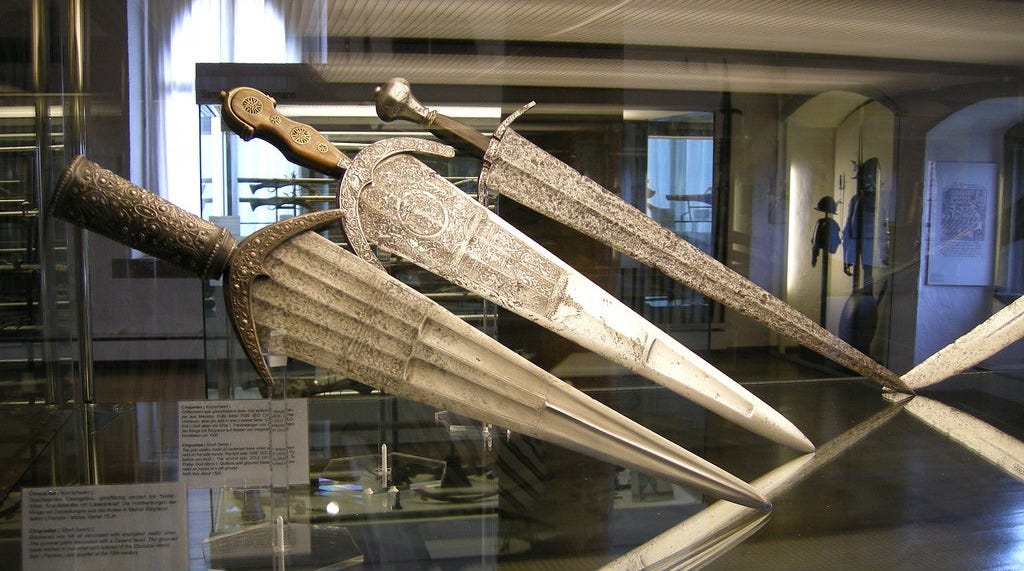
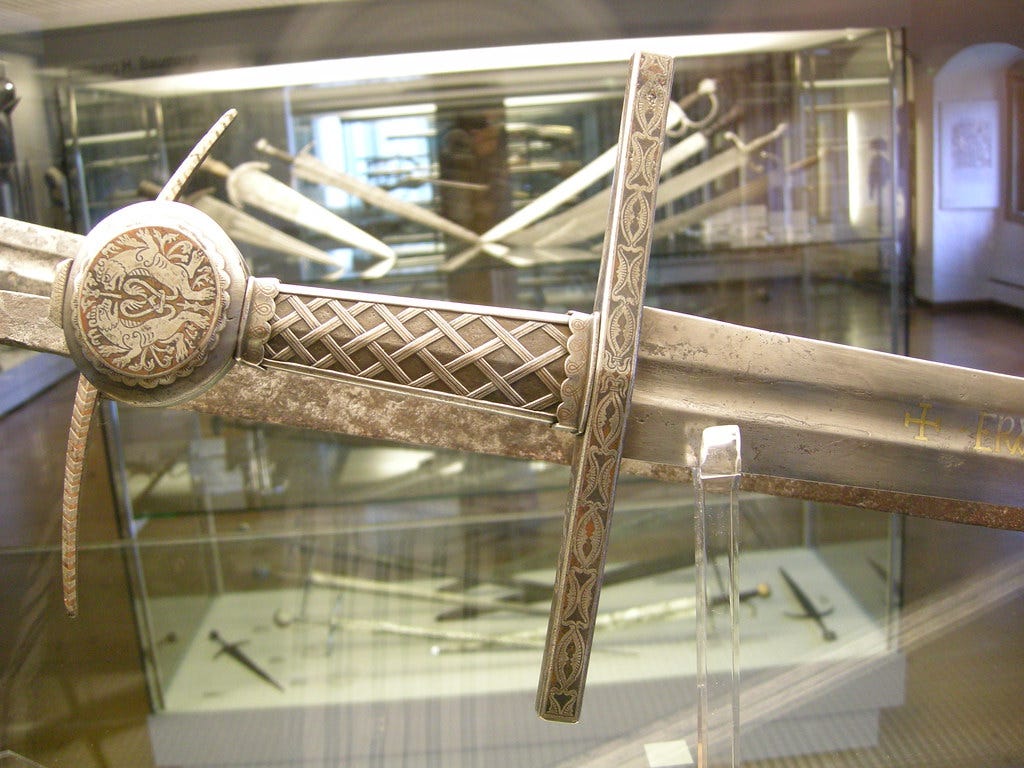
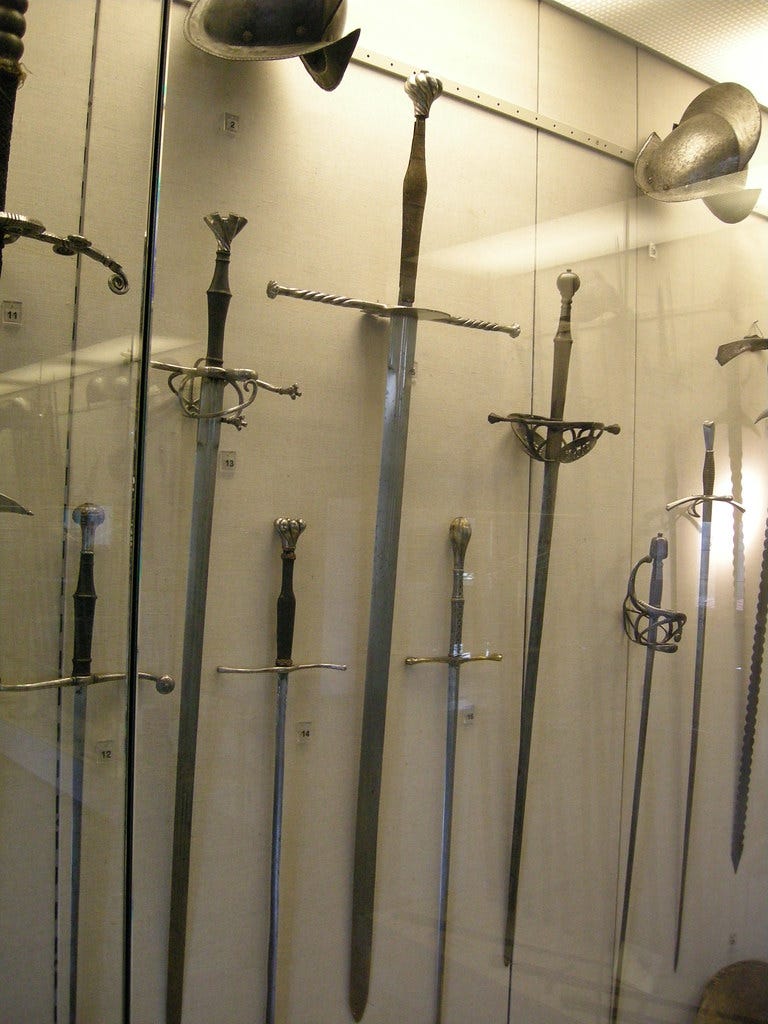
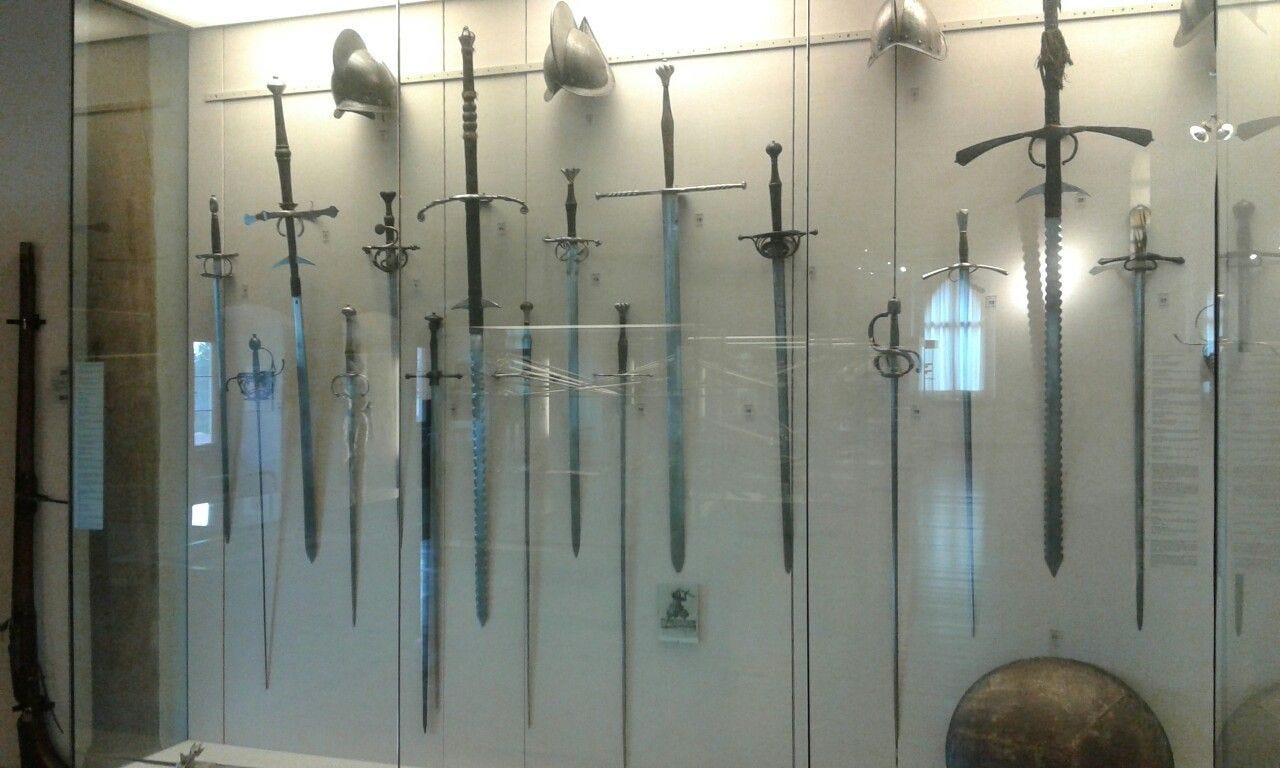
The Royal Armouries Museum in Leeds has a display case where they try to teach people what fake antiques look like. Suspect hilts ornate in a fantastic style. Medieval-looking swords that never existed like that. Fine patterns made by machines that couldn’t have been possible to be made in the past. The best part, they ask people to guess the only genuine antique shown there (spoilers: it’s not in the pics I’m showing).
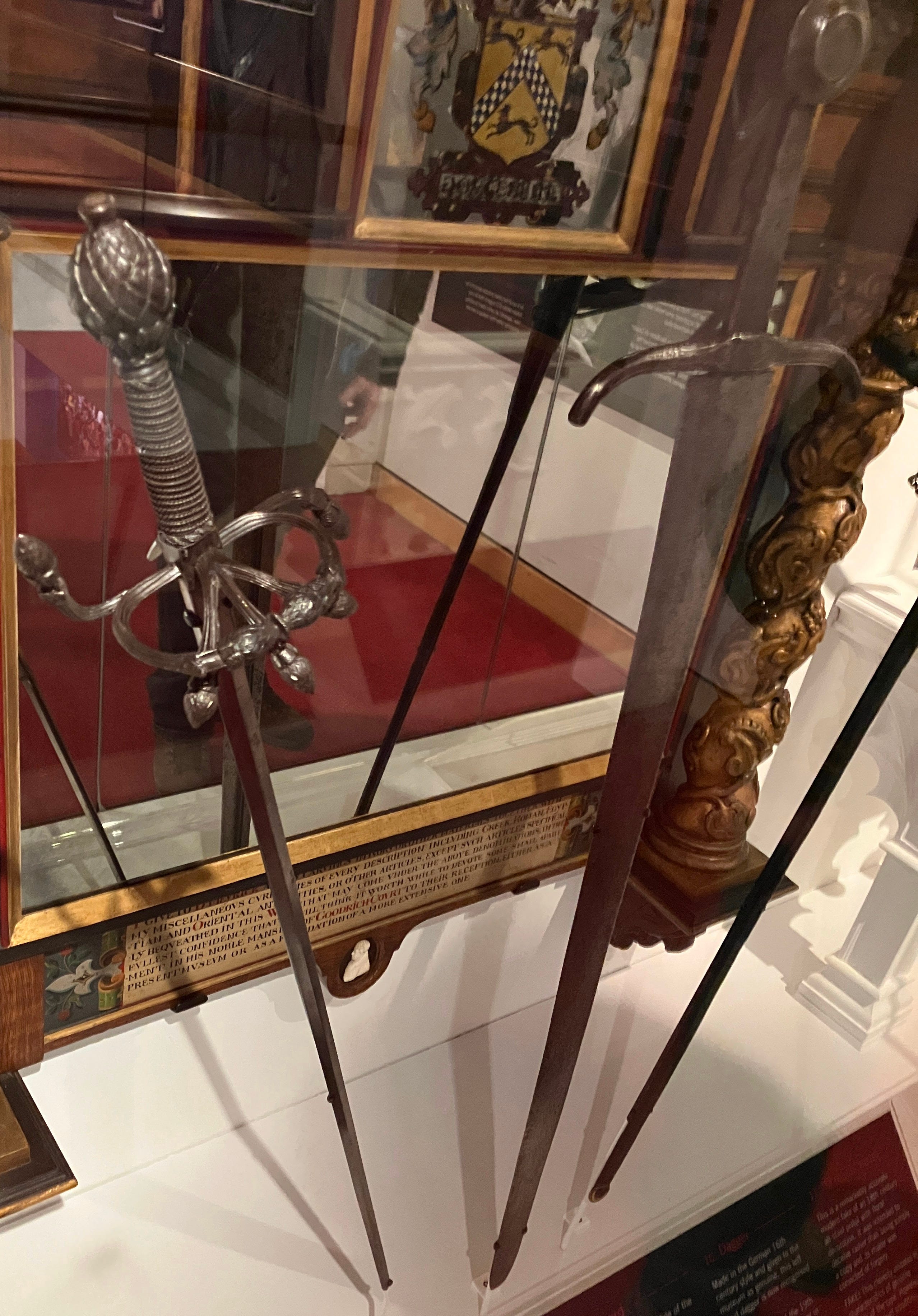
And yes, this is a gorgeous looking 1500s-like longsword that I would like to own. And that is the problem I want to focus on today. Our own innate biases. We want these pieces to exist. We want these pieces to be authentic. Why? Because we like them!
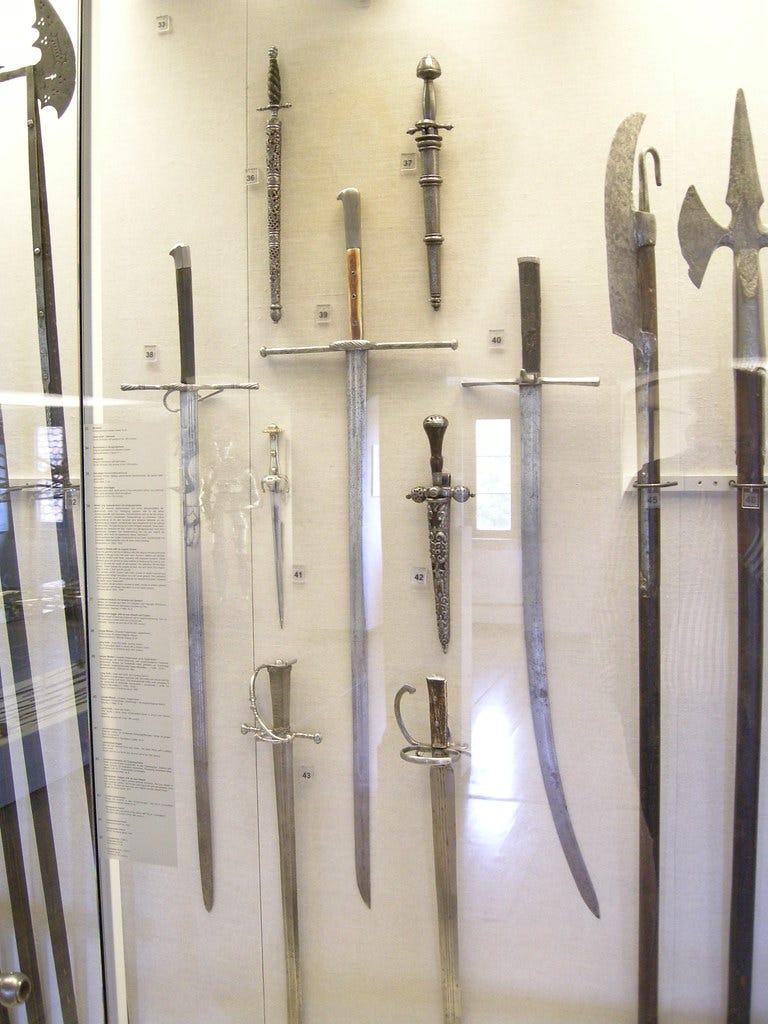
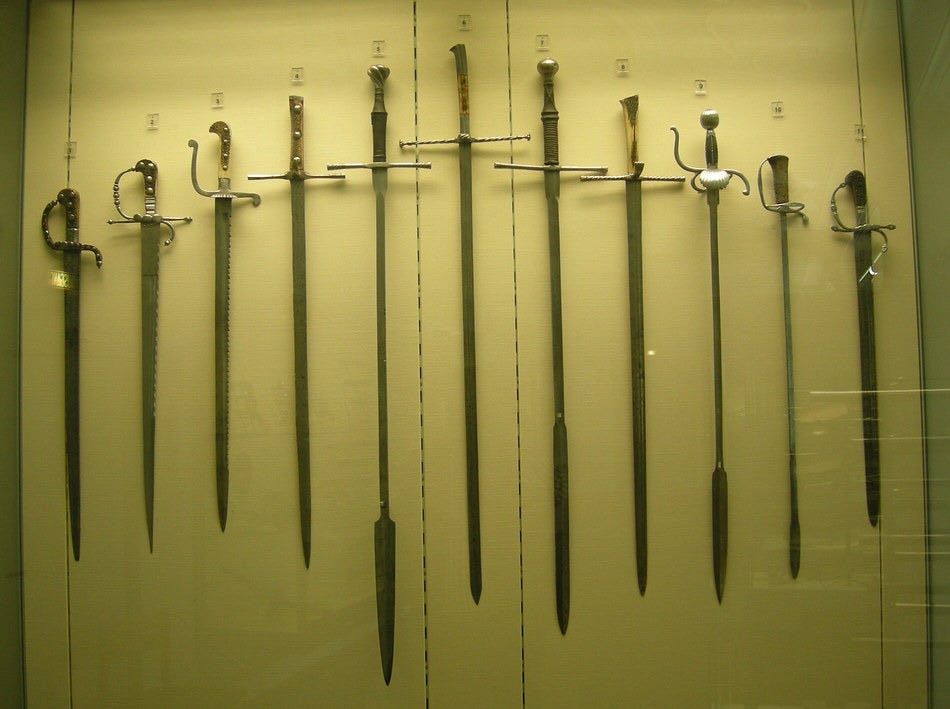
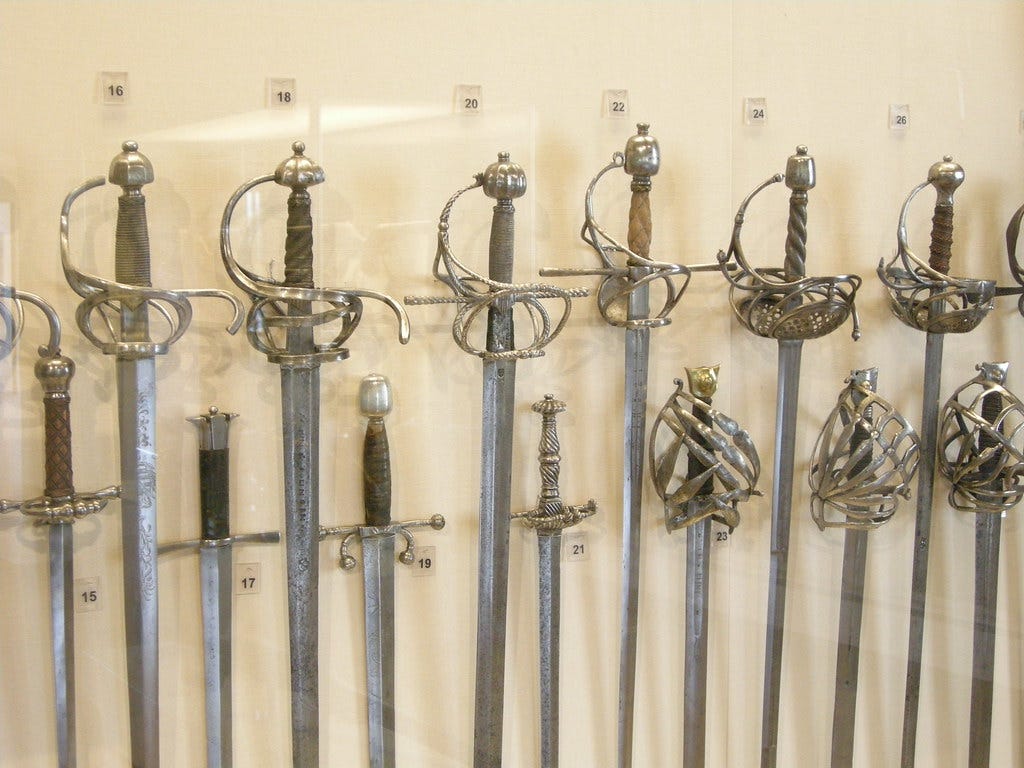
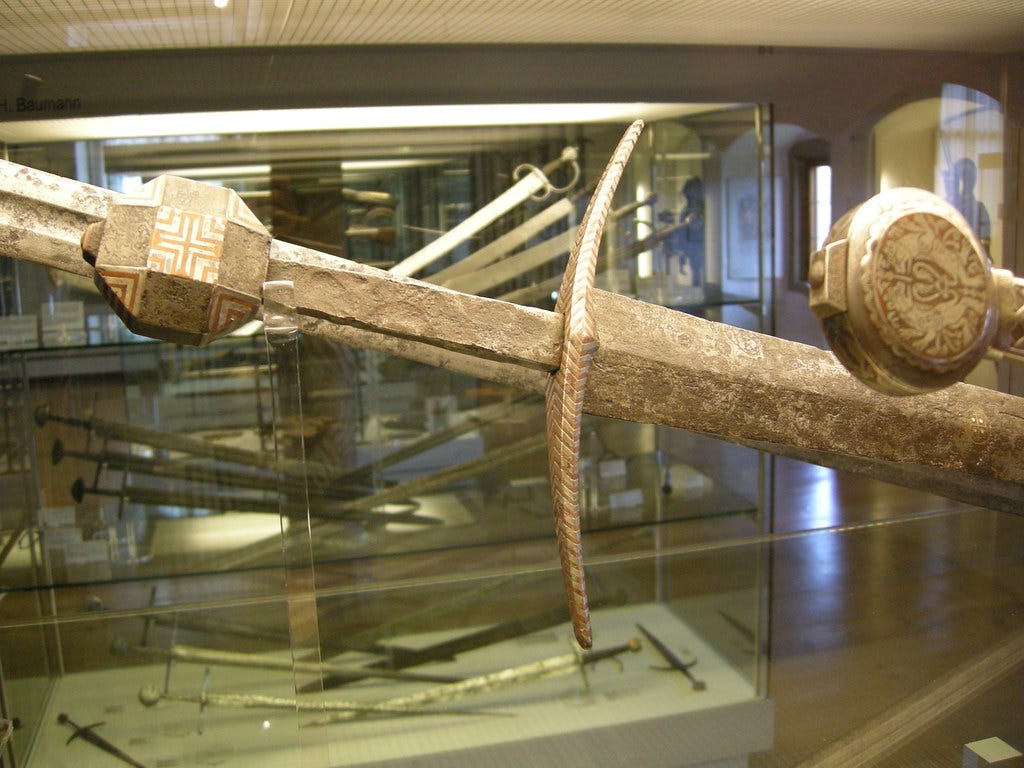
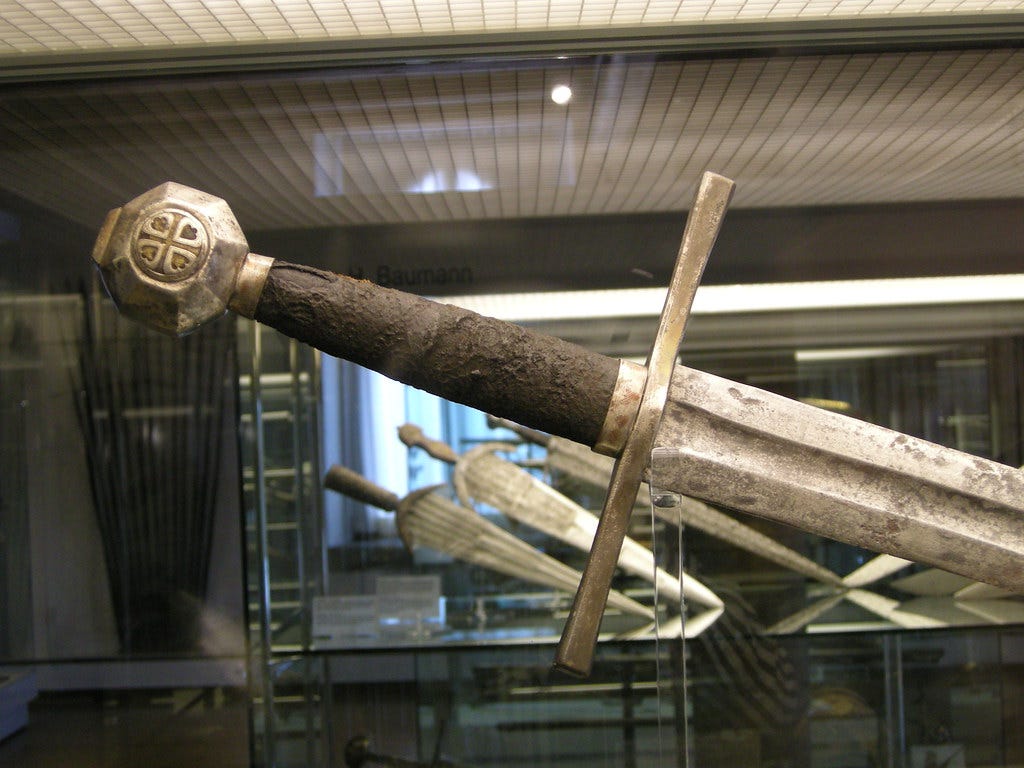
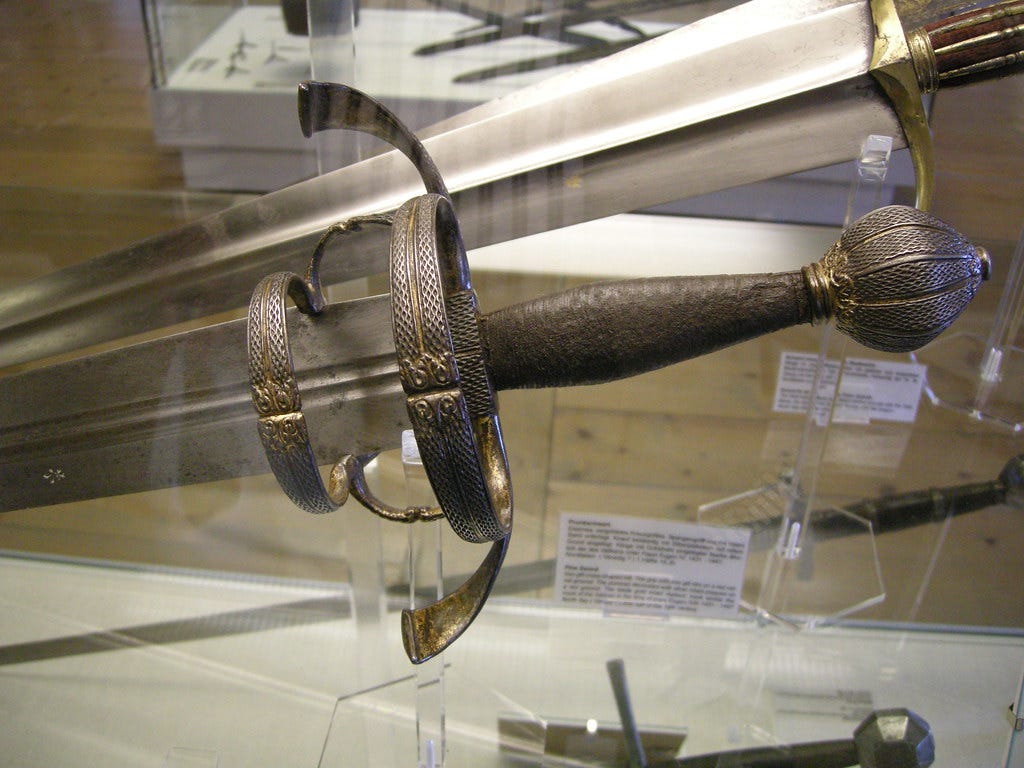
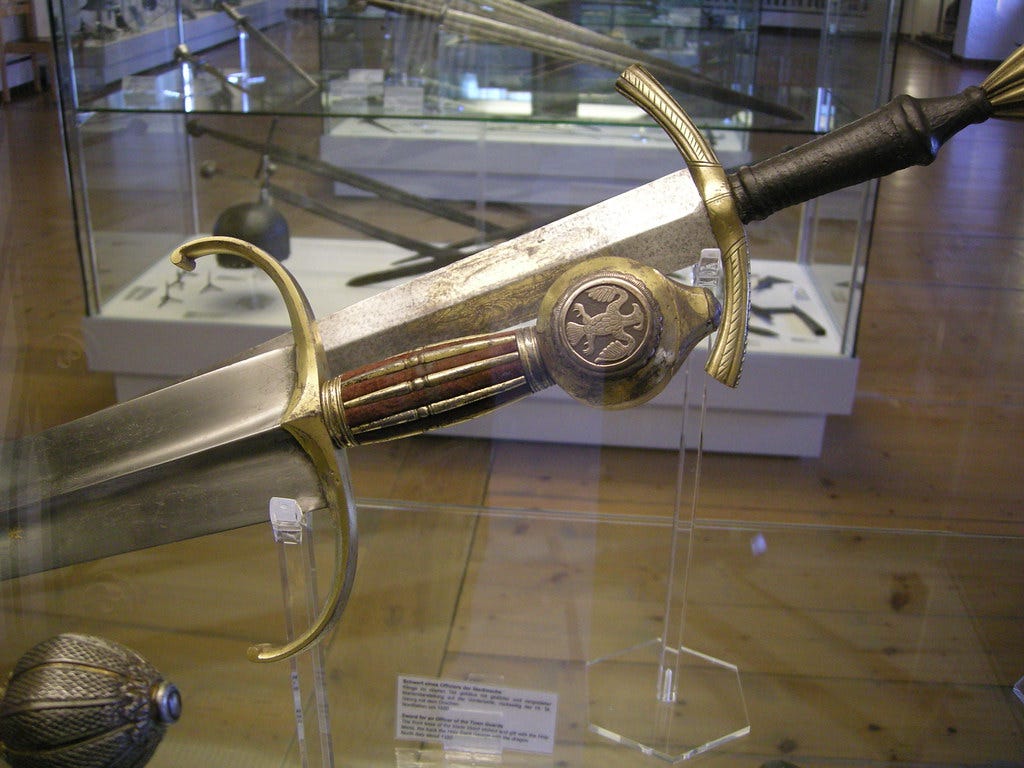
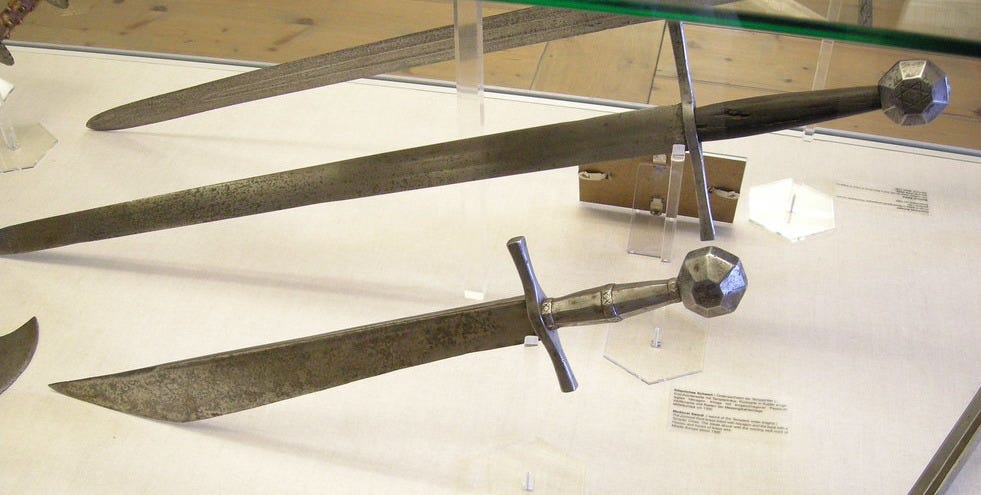
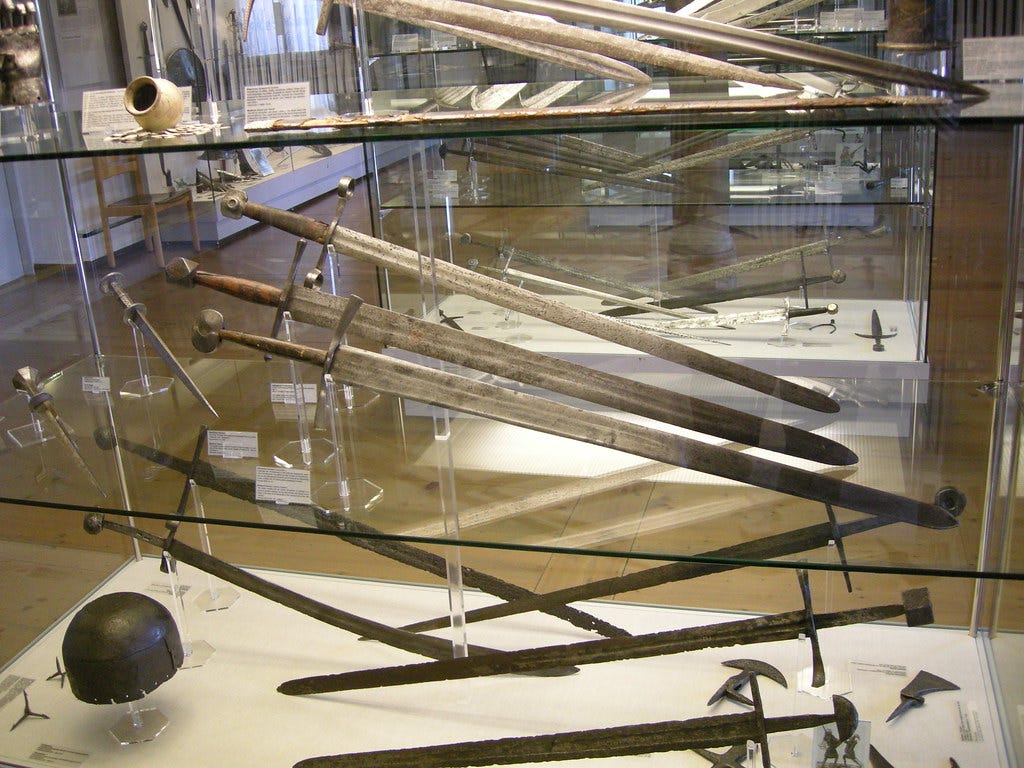
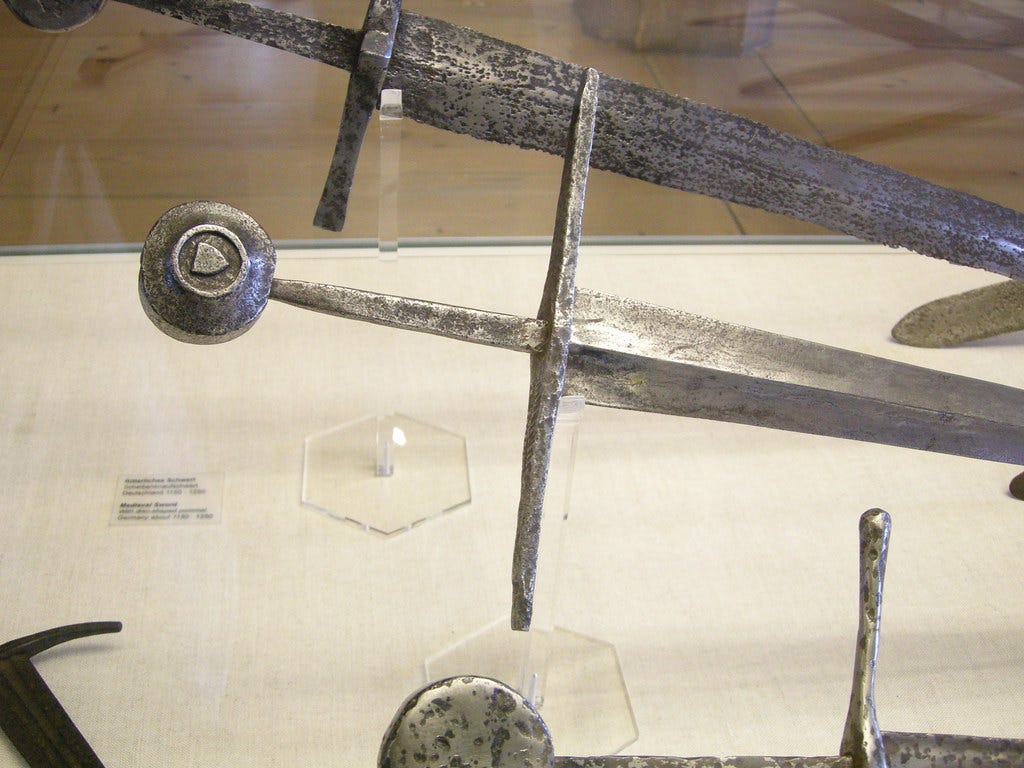
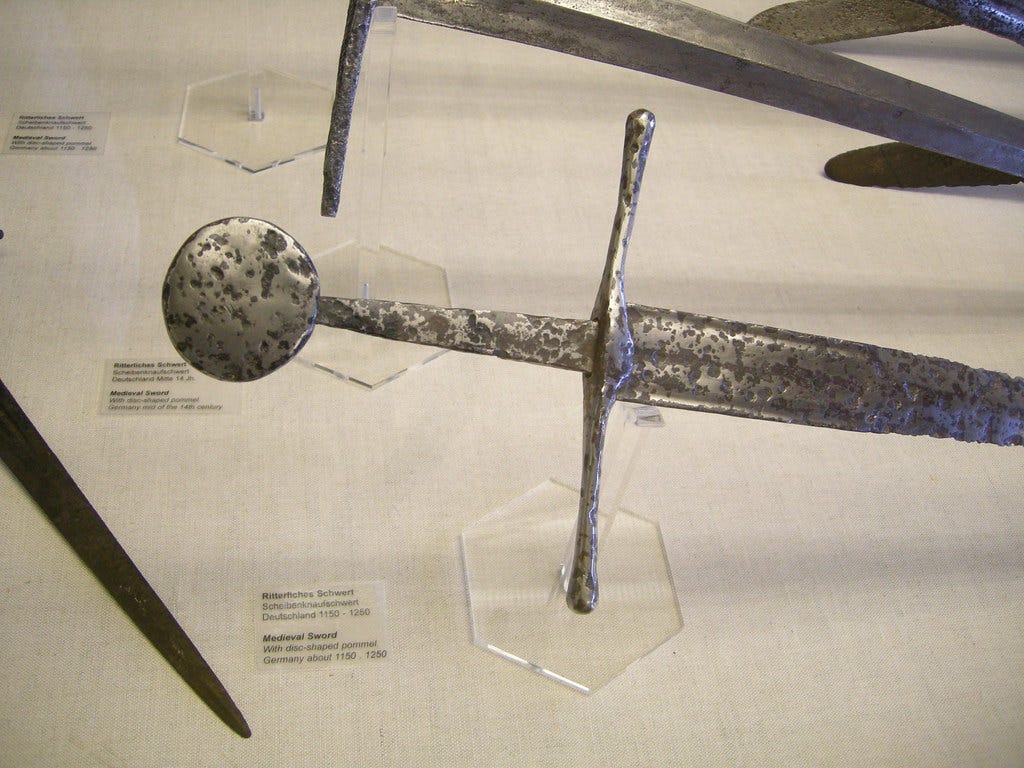
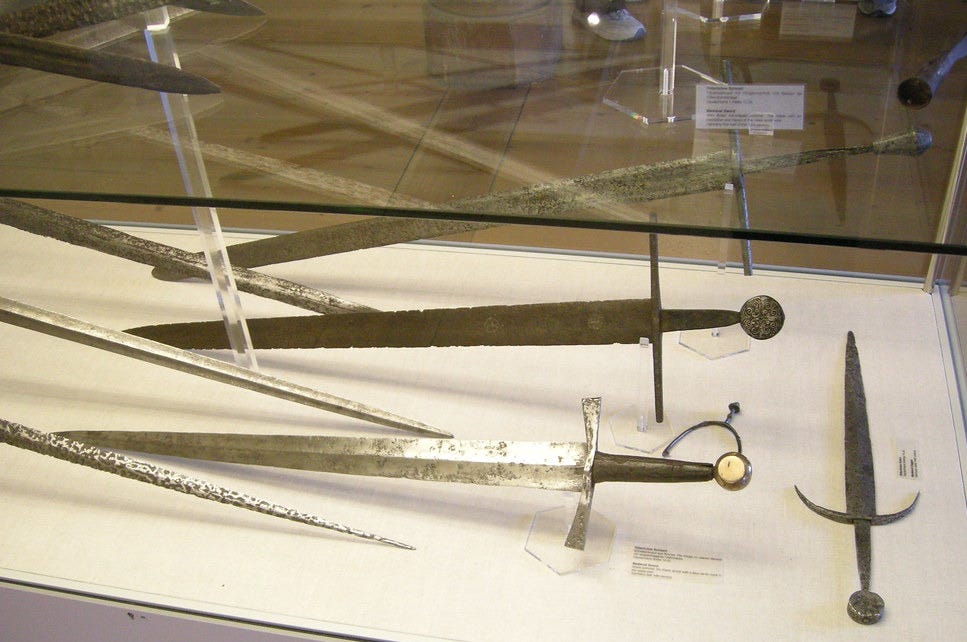
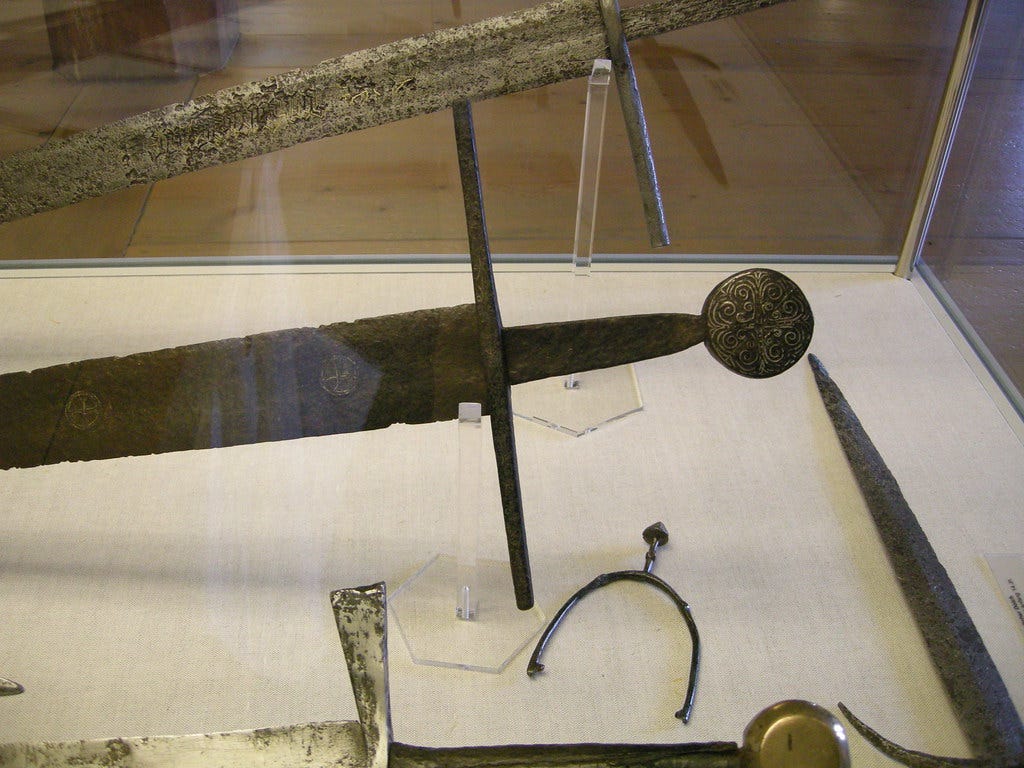
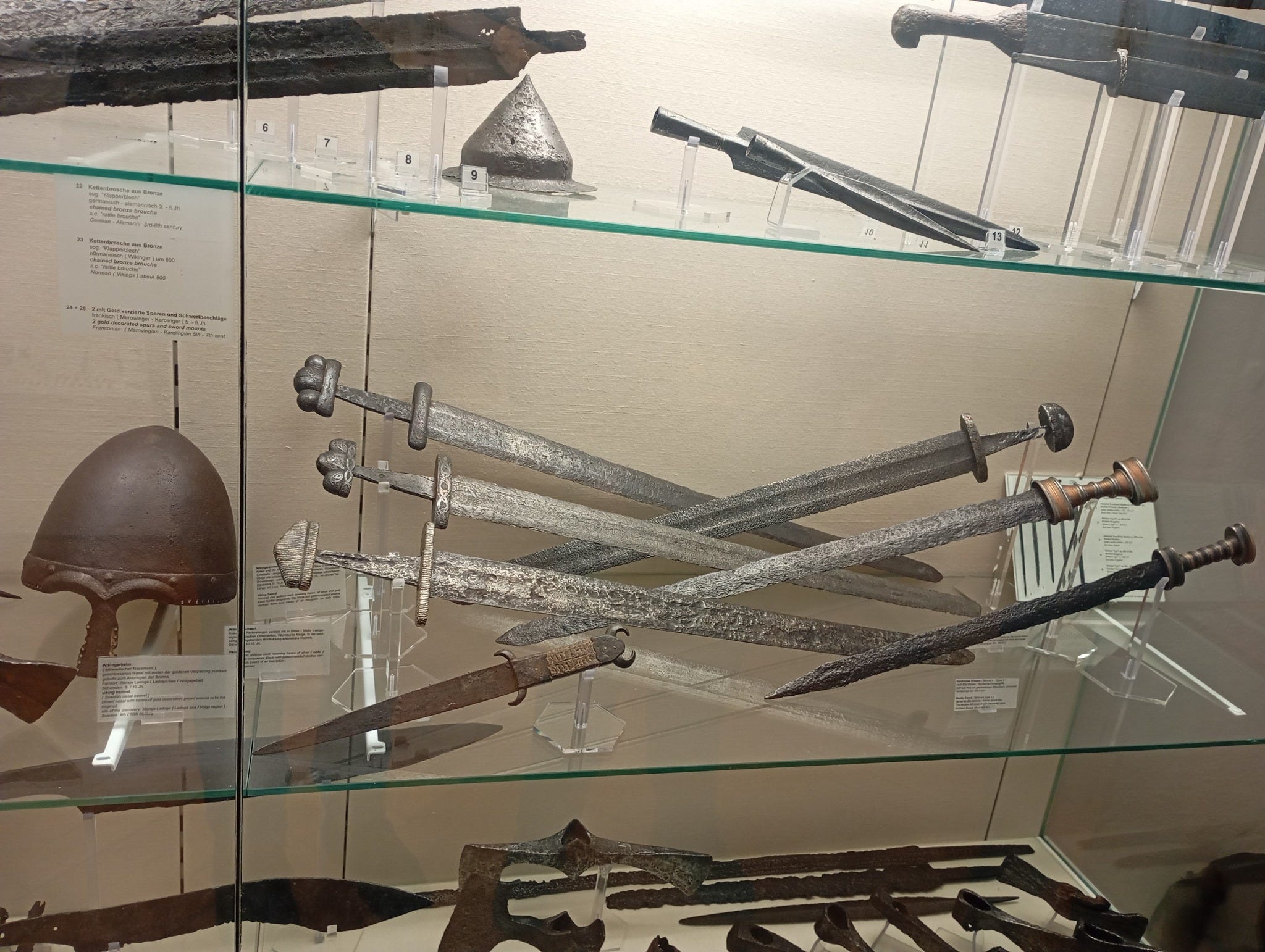
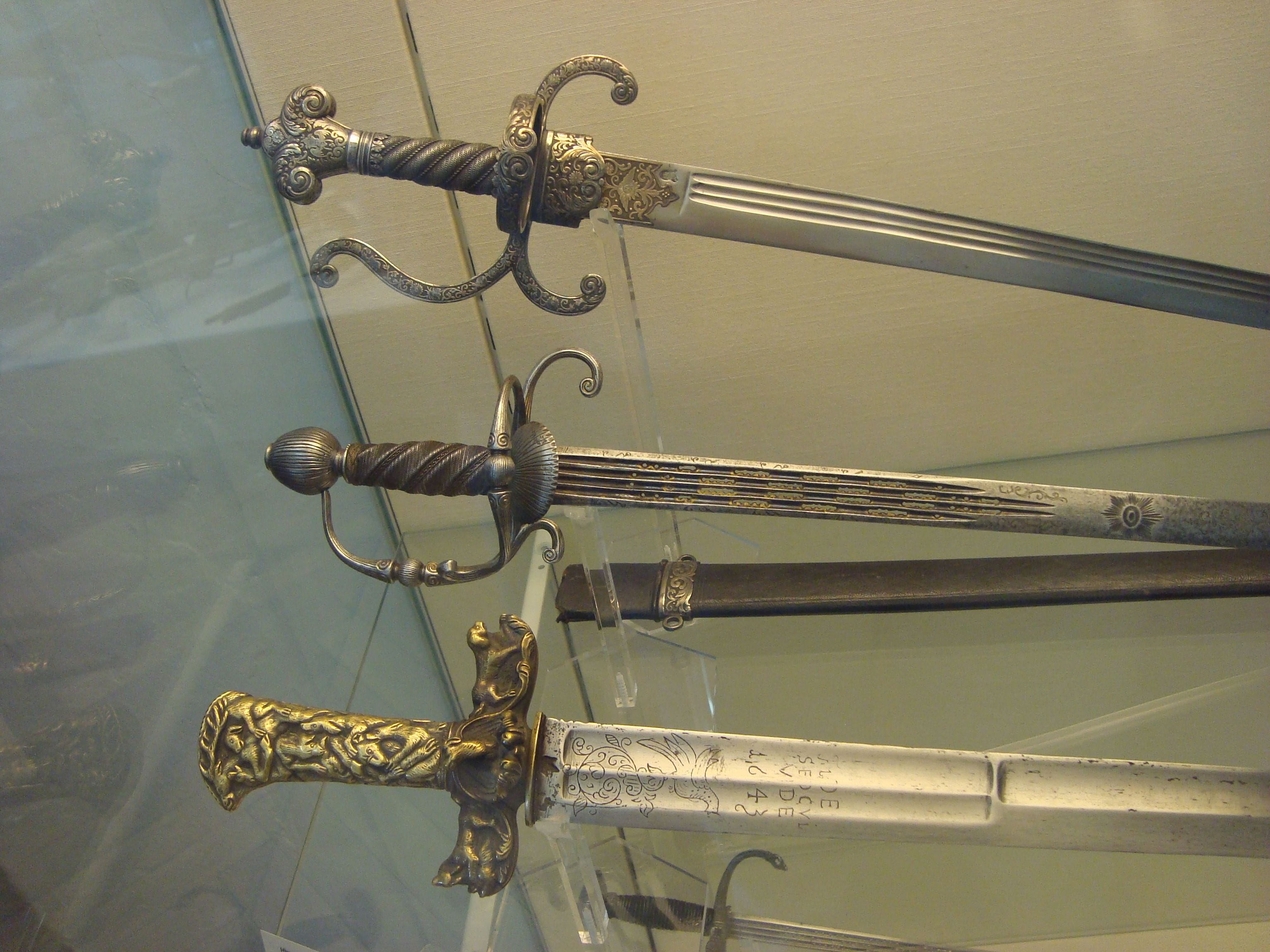
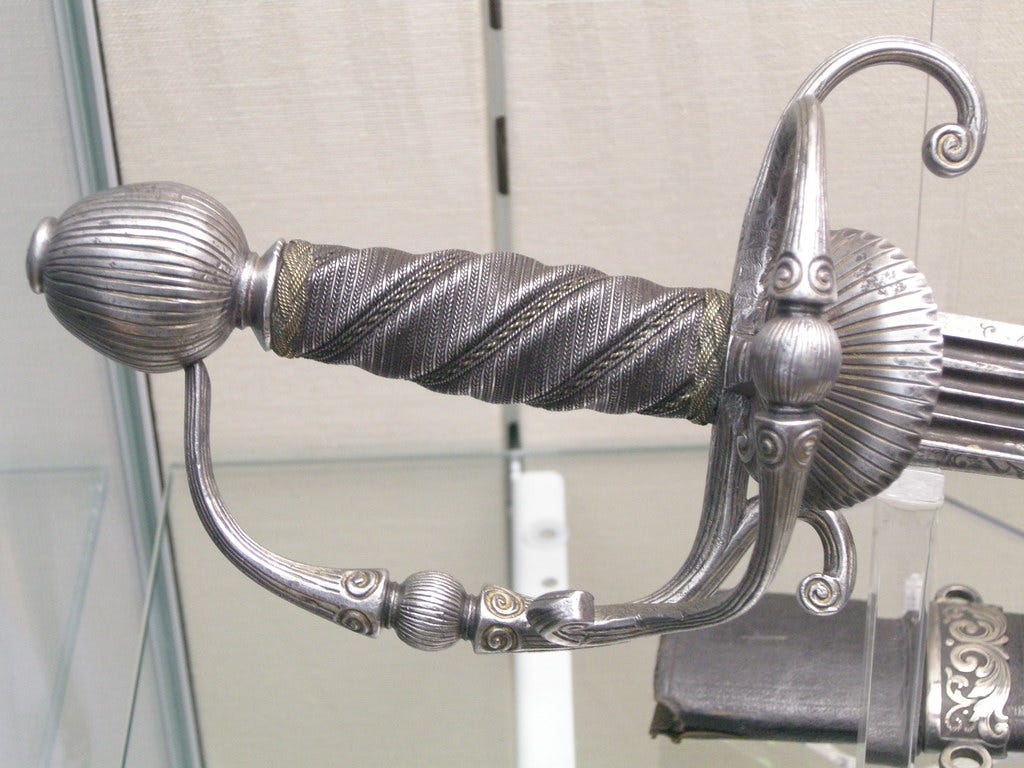
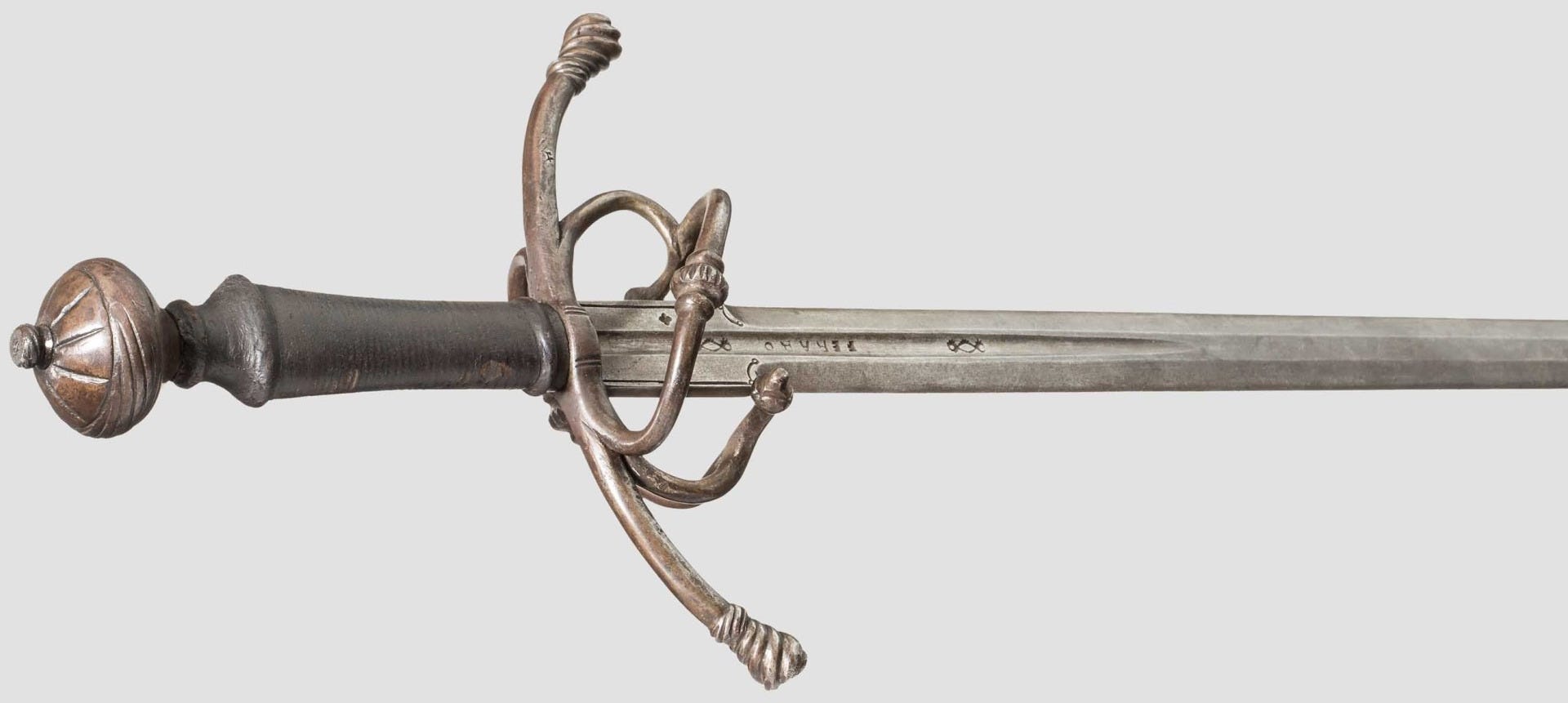
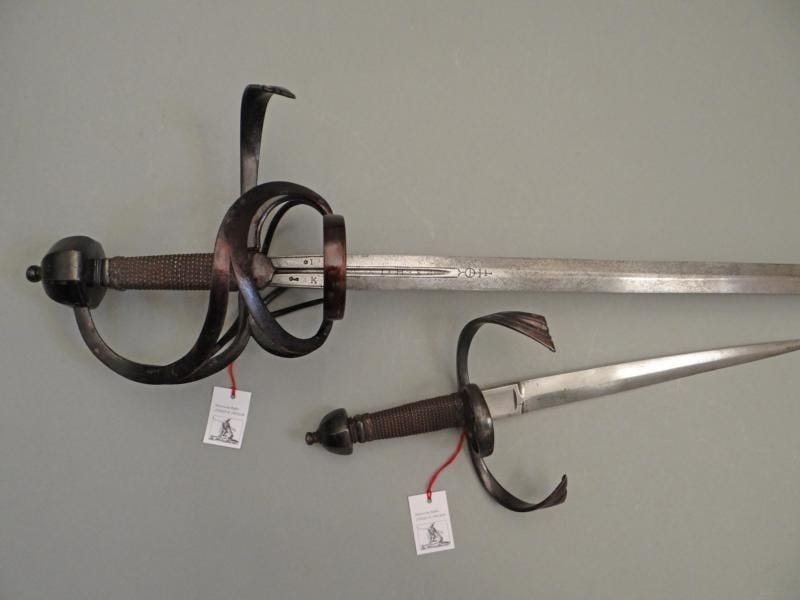
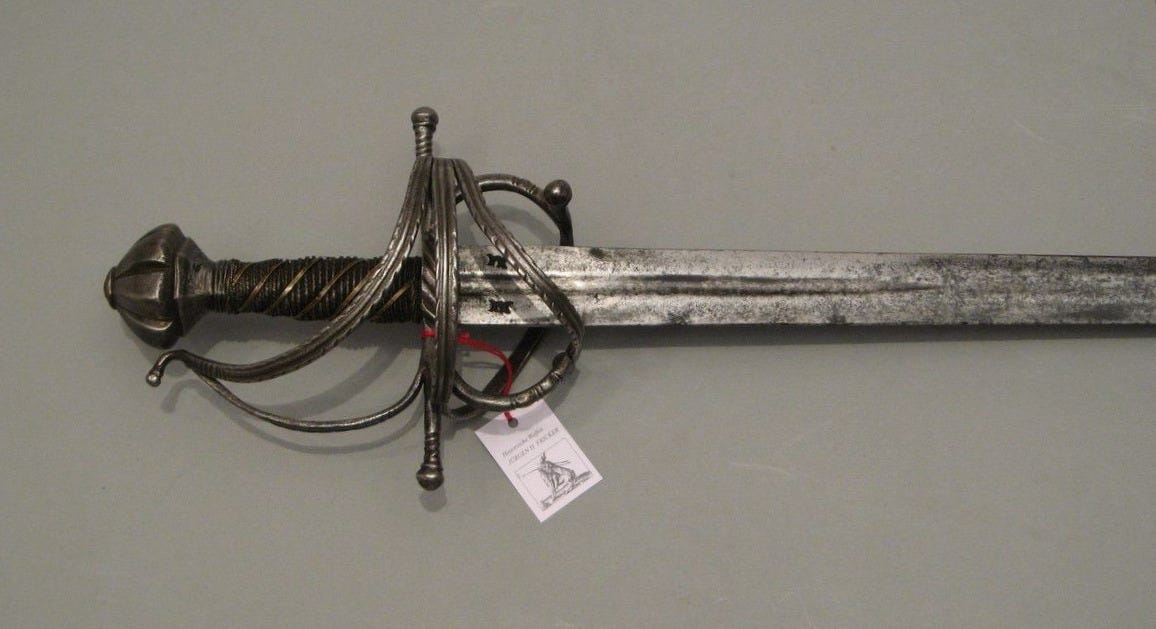
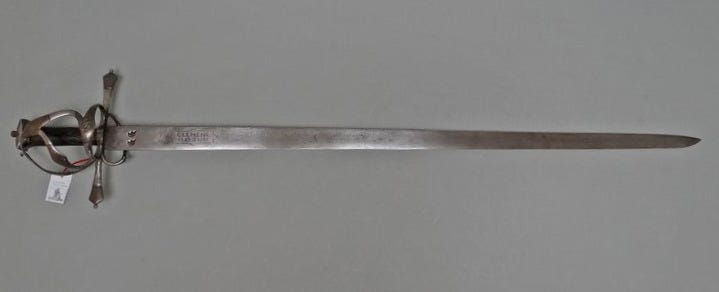
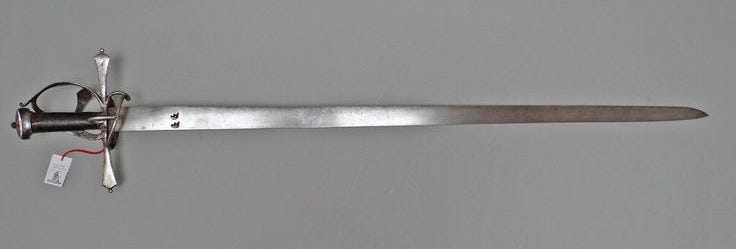
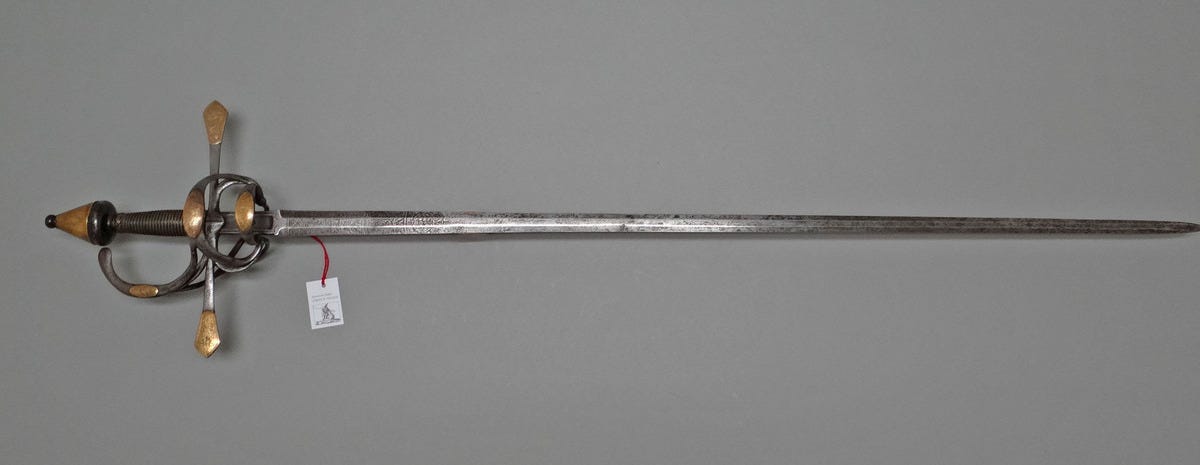
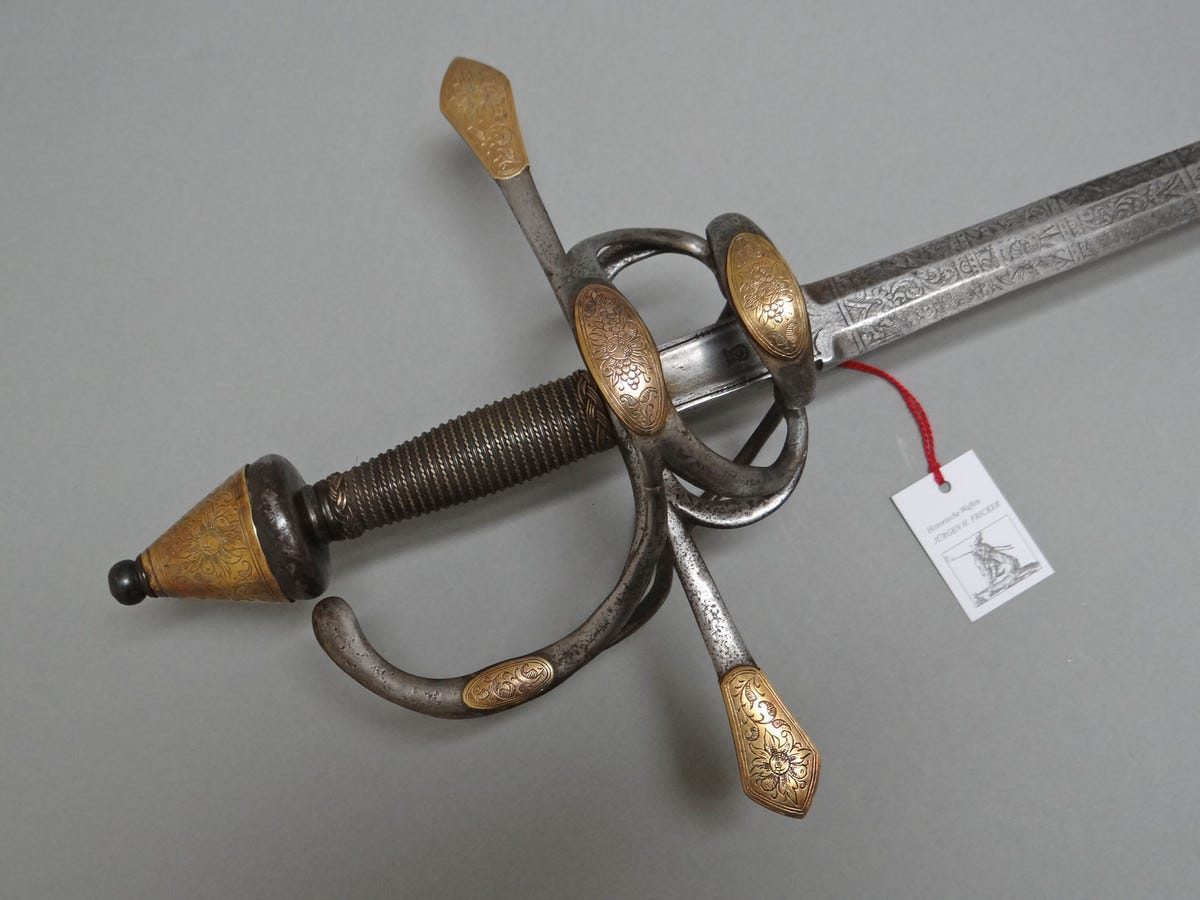
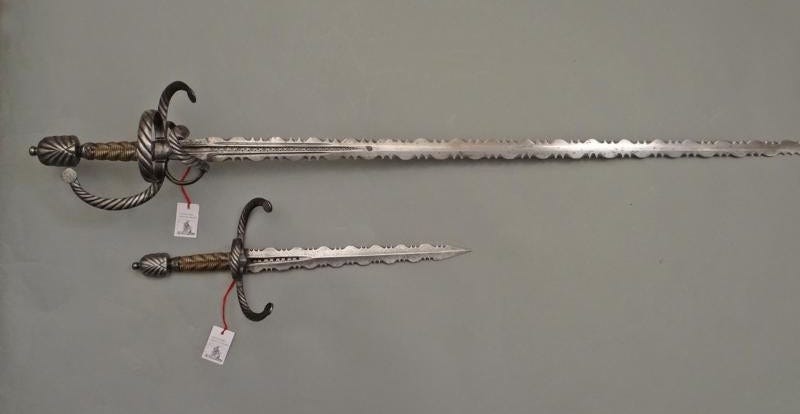
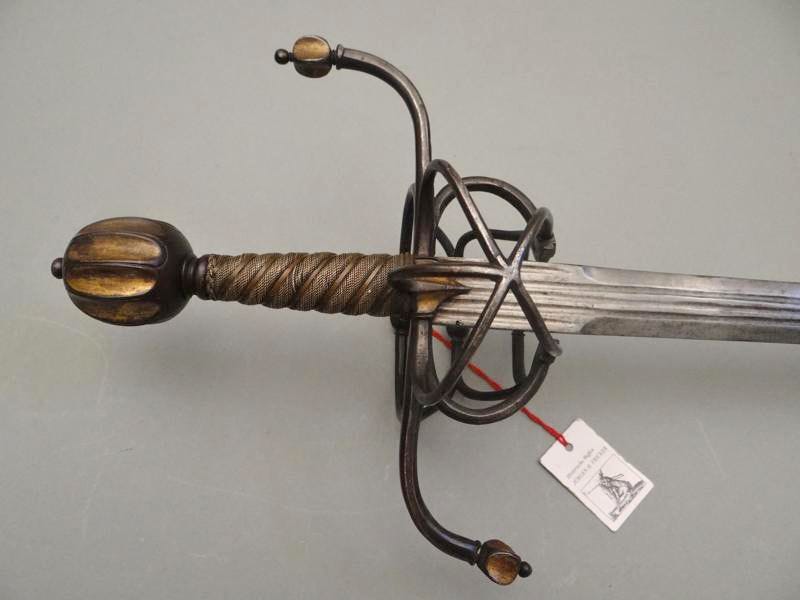
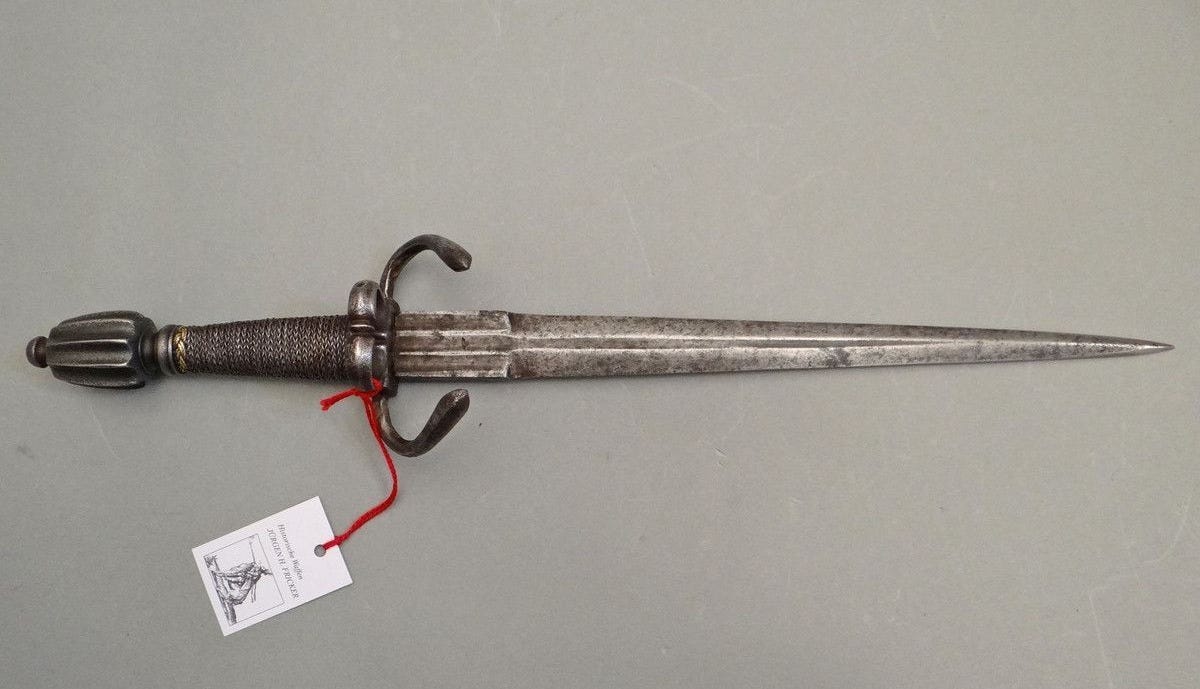
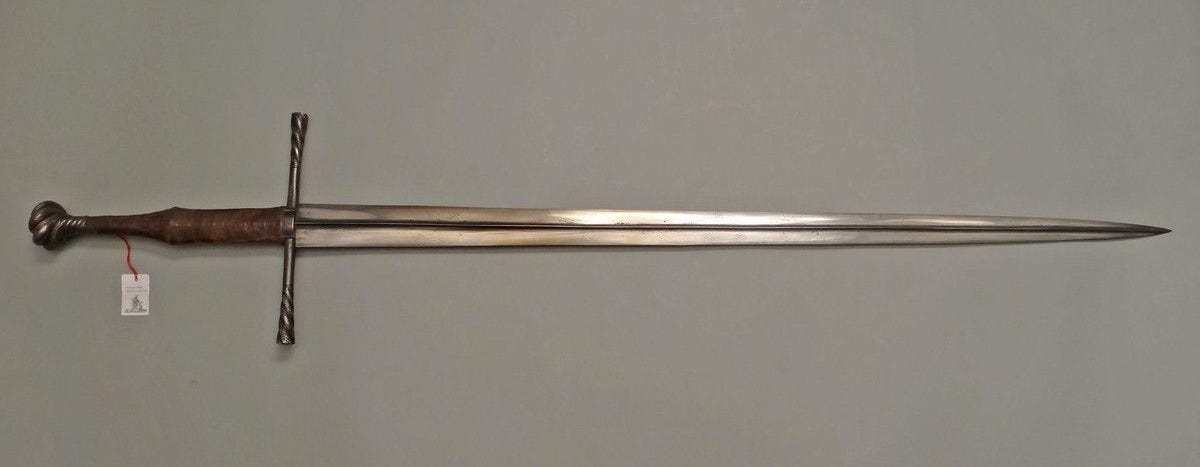
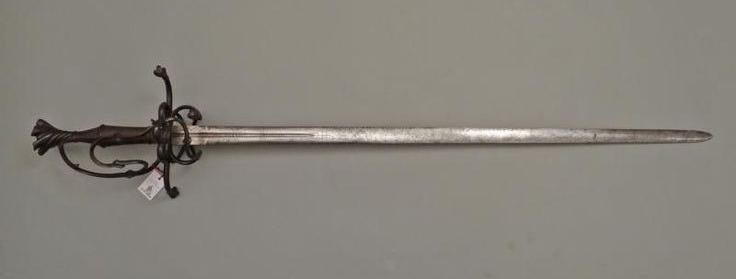
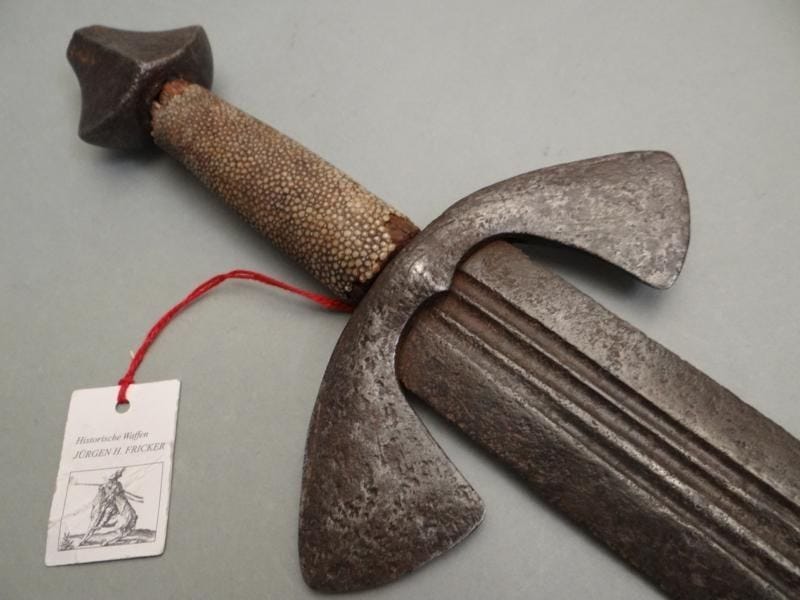
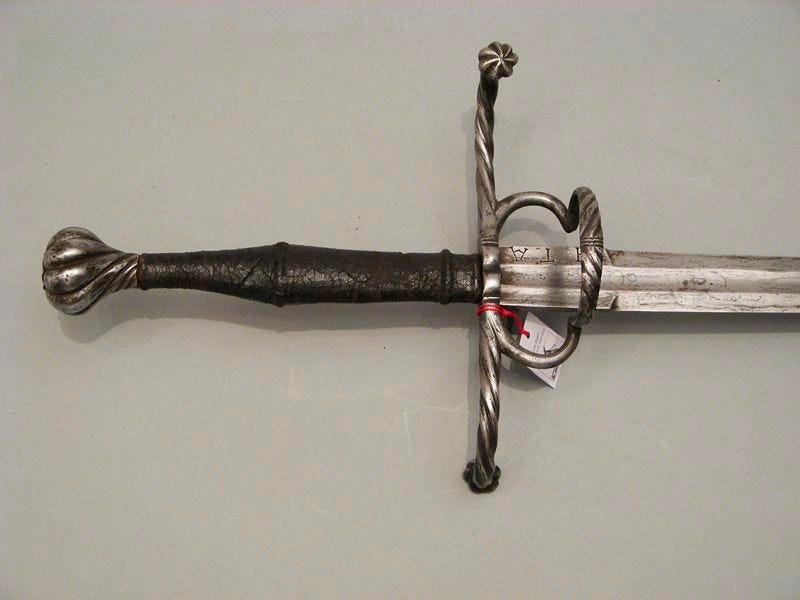
Recently, I was made aware that a lot of pieces showcased in the Rothenburg Museum in Germany, or sold in the past by the Fricker Auctions, may be problematic. Now I am not an expert. I cannot tell you when a sword is a fake, when it’s aged artificially, when shenanigans are at play. Yes, I can share my suspicions, but even then, those are more guesses than first-hand knowledge. So instead of doing that, I will just showcase images of pieces from these two places that may, in fact, be gorgeous fakes.
I am not saying they are, just that credible people with more knowledge have their suspicions. From my end, if I have to suffer due to the uncertainty of pieces that I like being possible fakes, you can suffer with me.
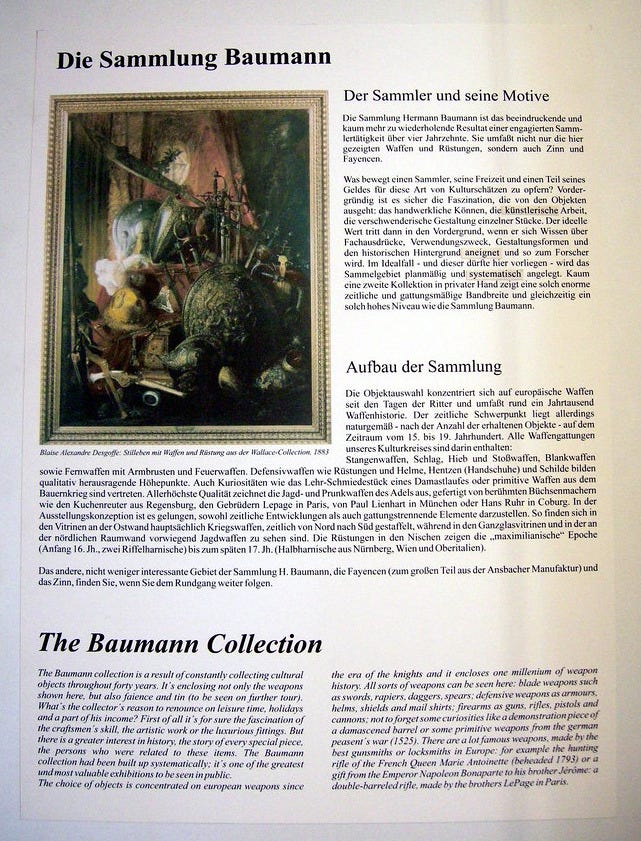
Rothenburg Museum
















Fricker Auctions
German Hand-and-a-Half Sword, c.1550
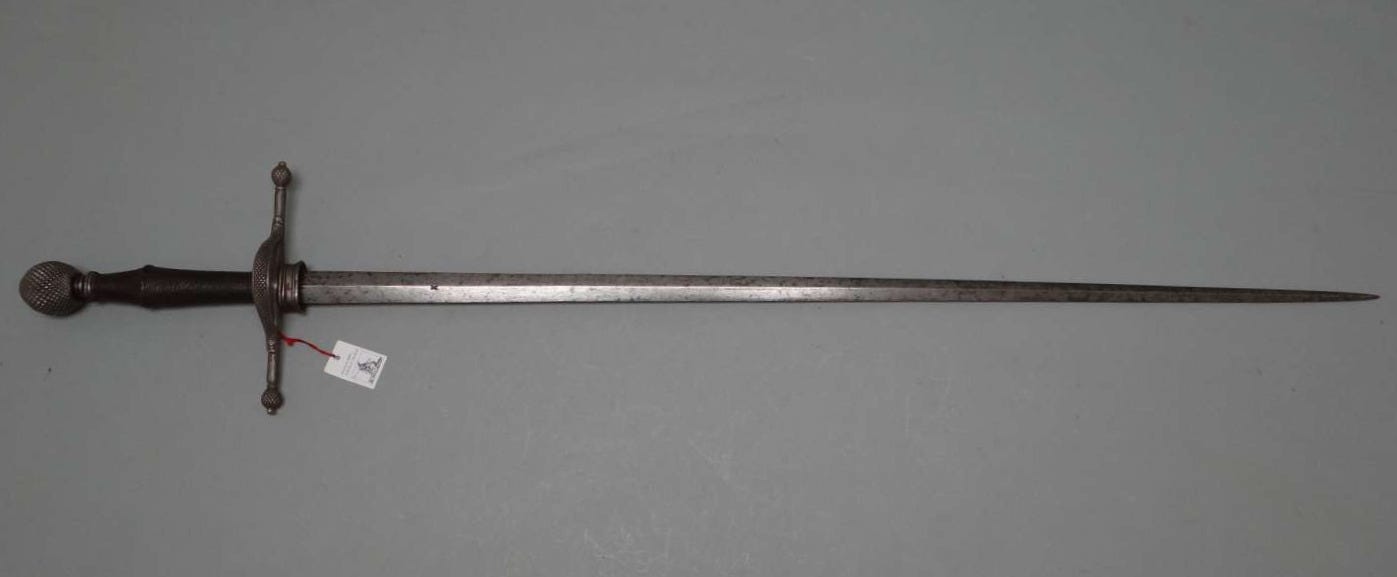


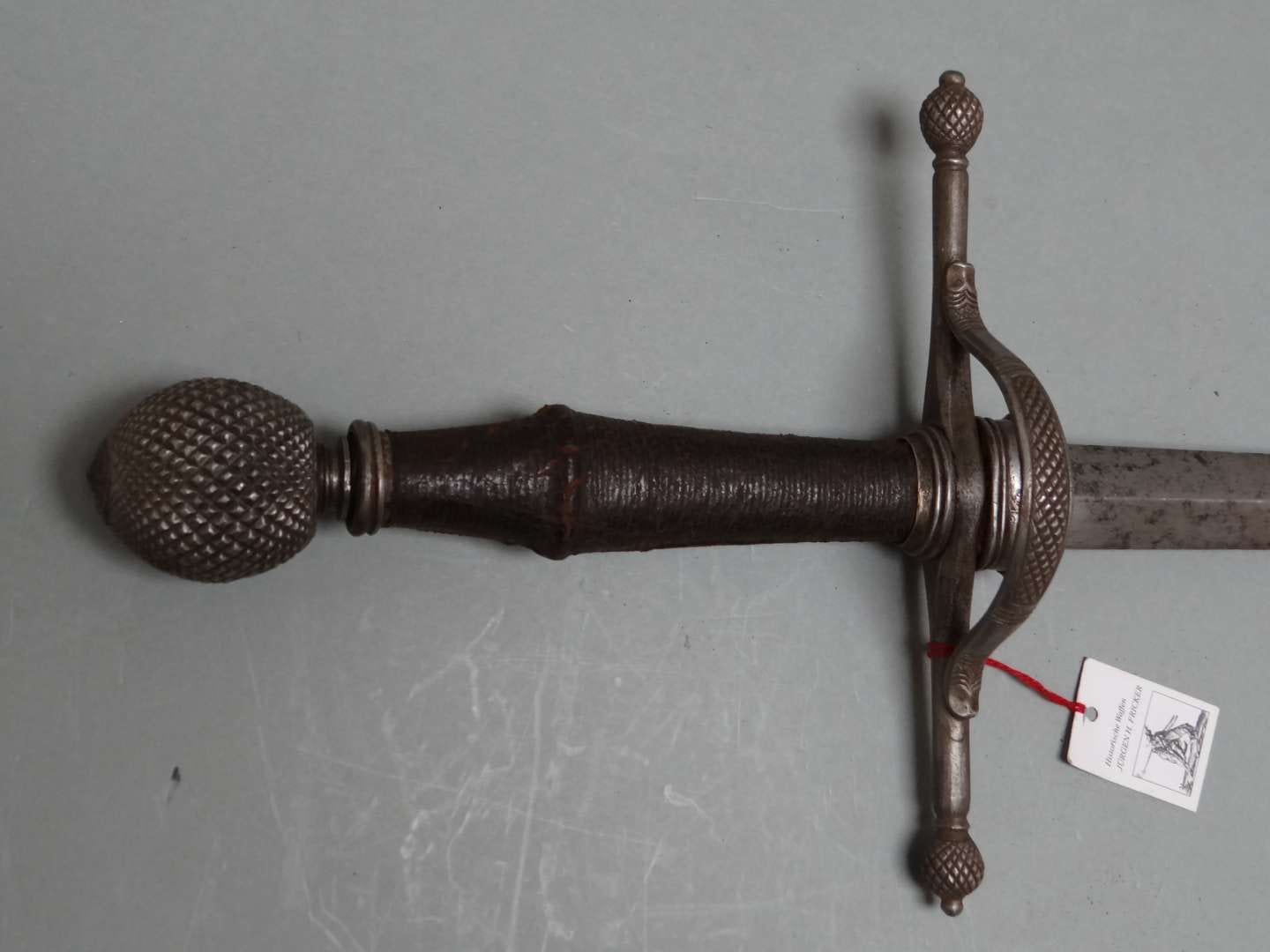
German Hand-and-a-Half Sword, c.1600
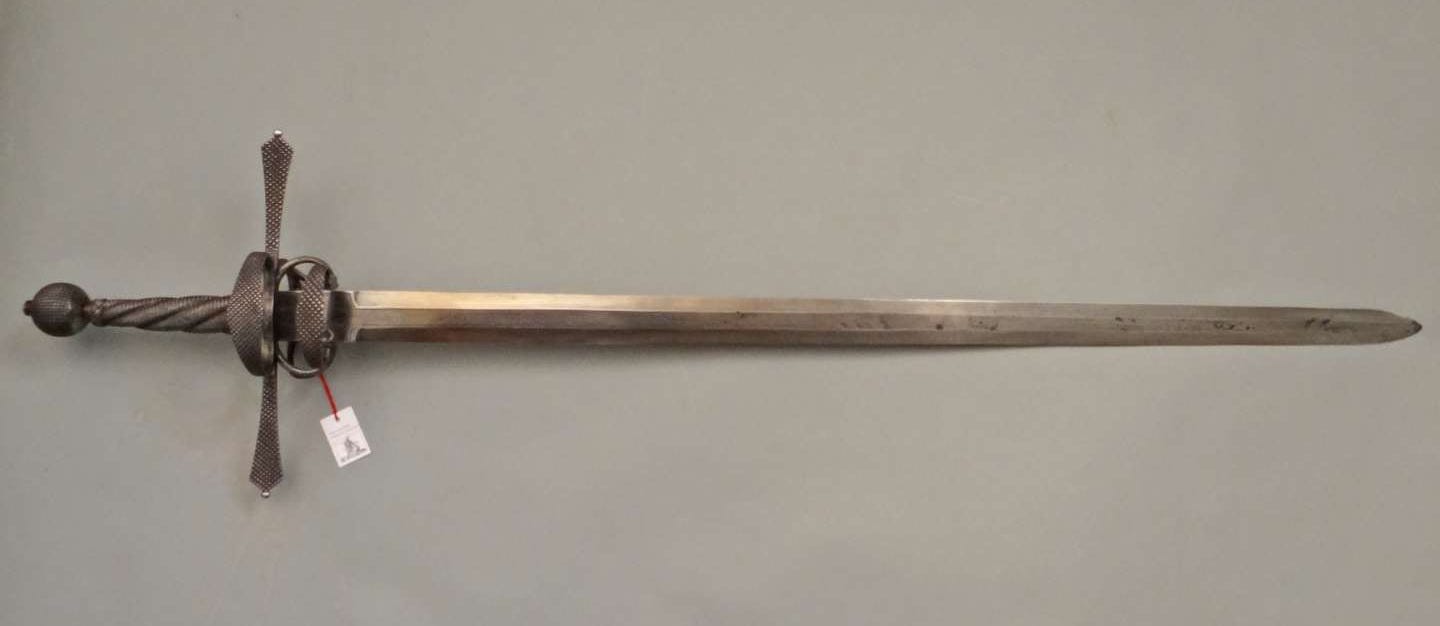


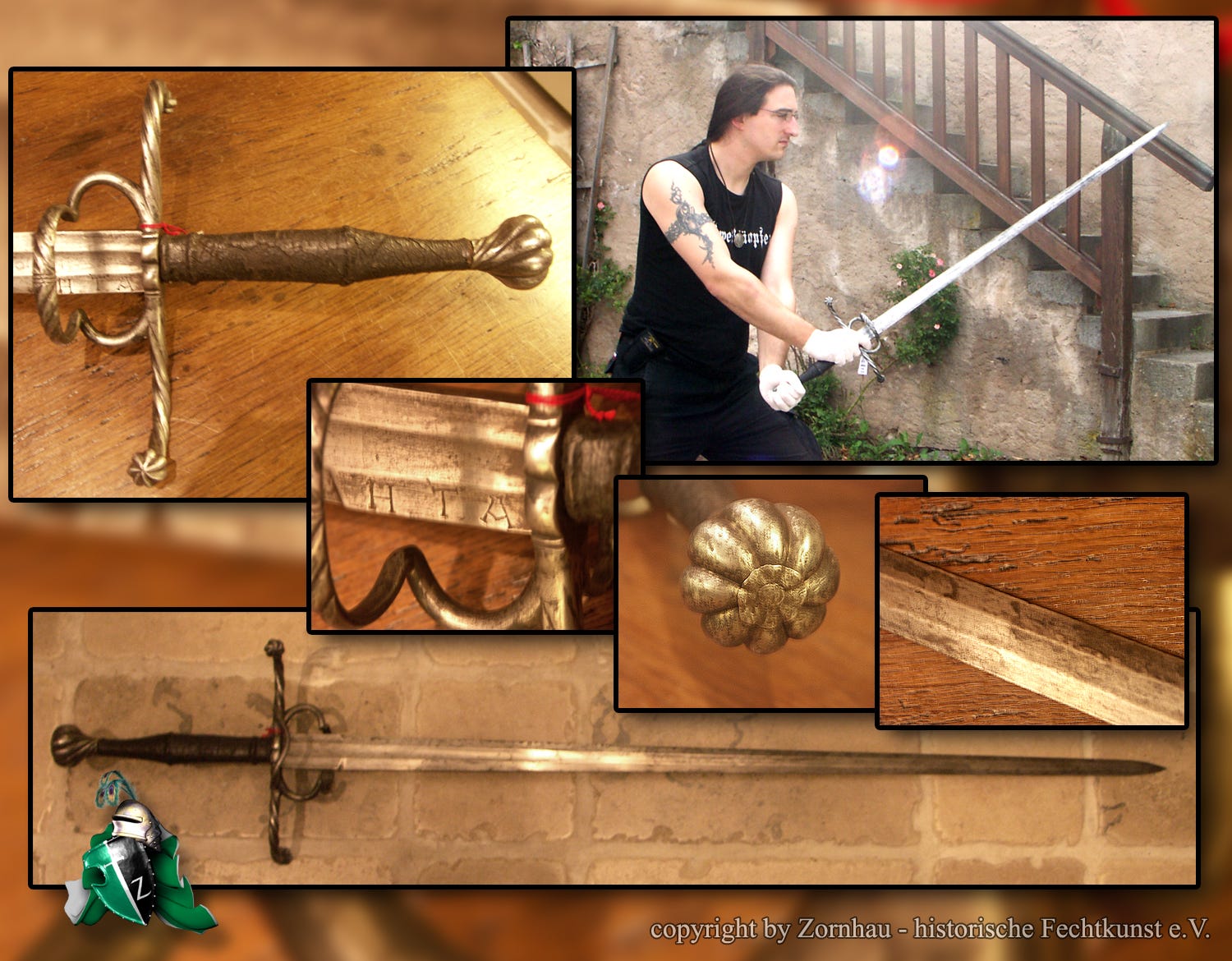
German Hand-and-a-Half Sword, c.1530, TL: 131.5cm, BL: 105.5cm
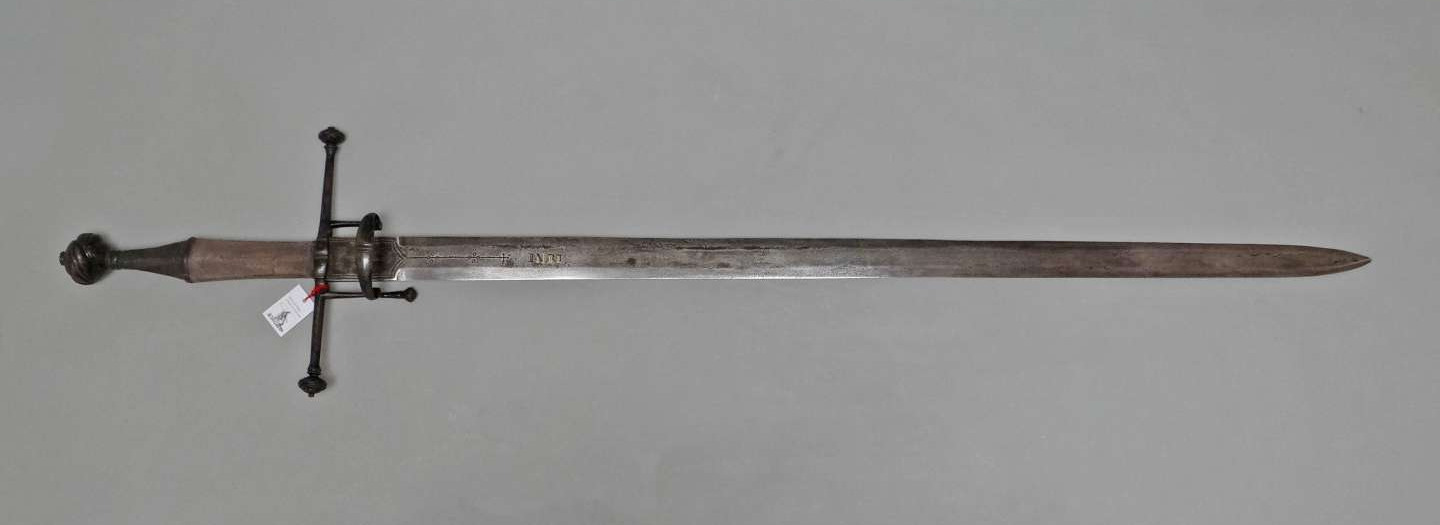
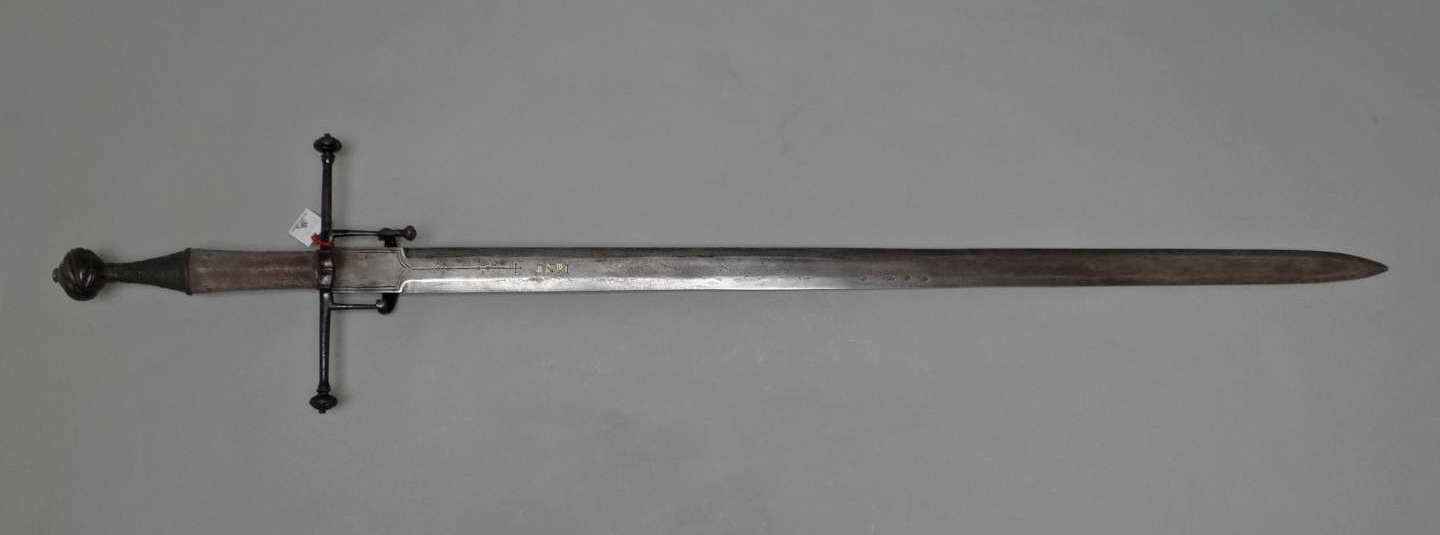


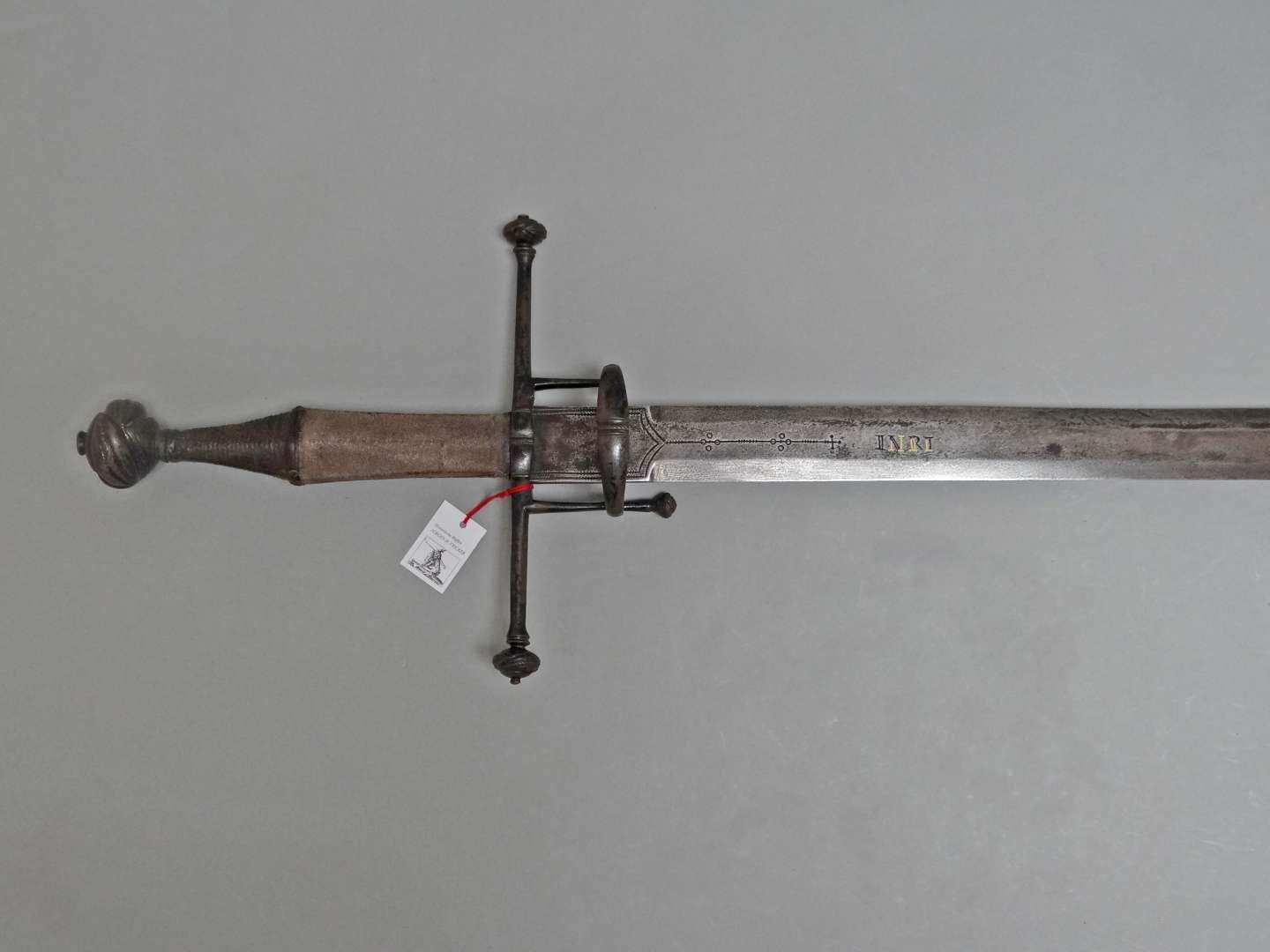
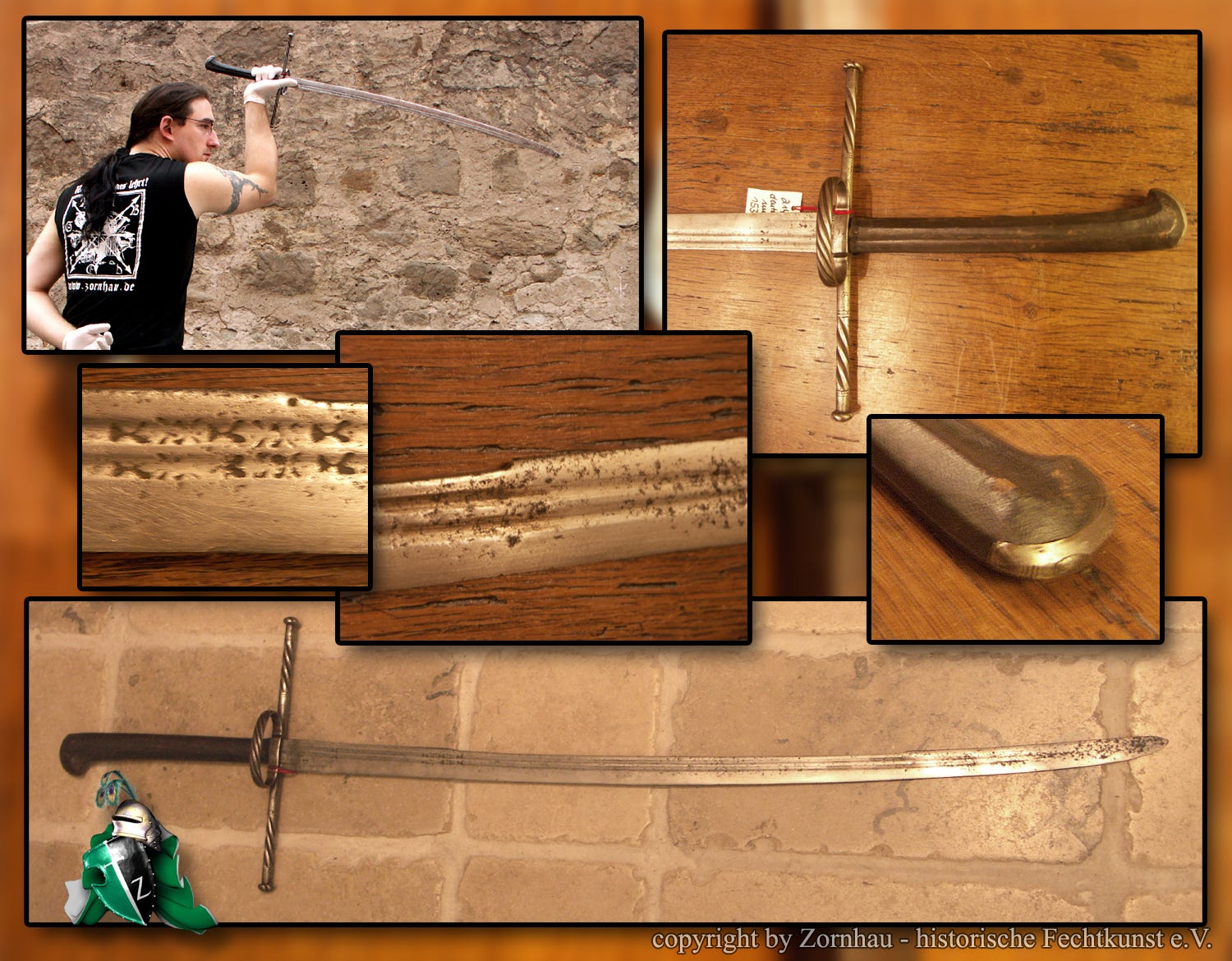
German Riding Sword, c.1550, TL: 118.0cm
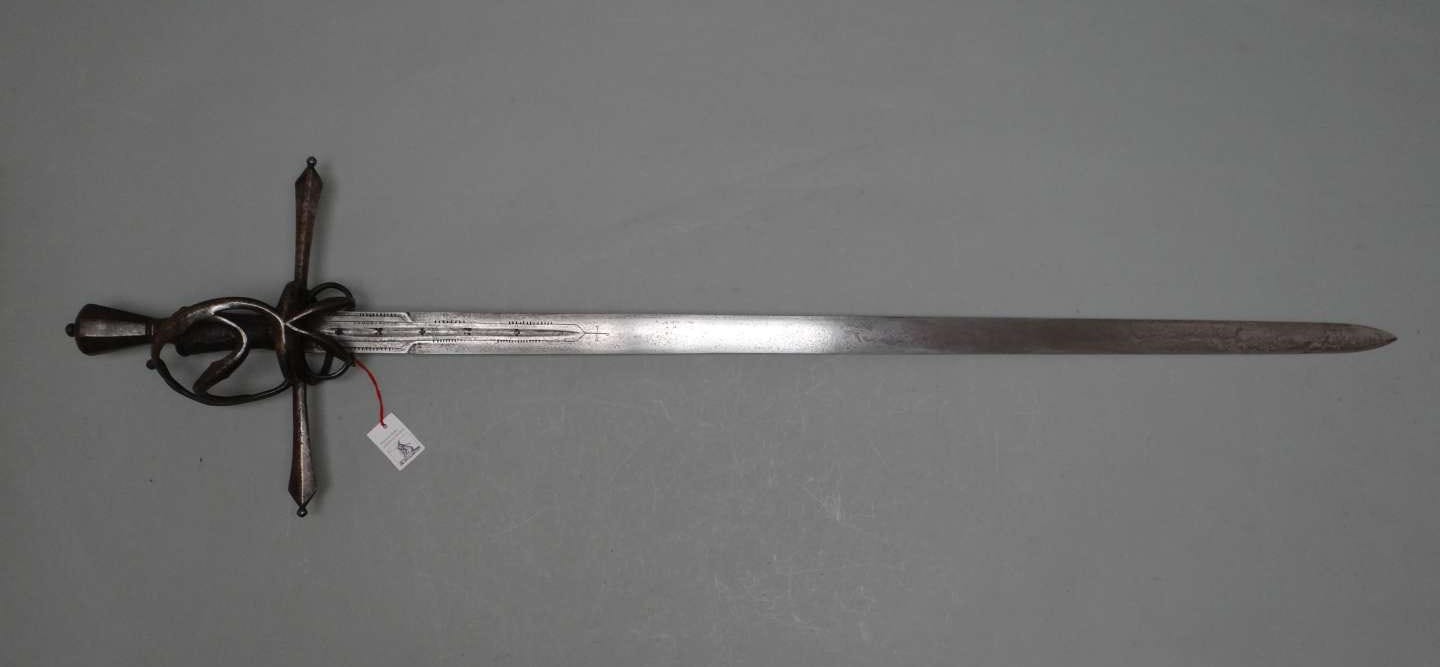


German Hand-and-a-Half Sword, c.1530, Total length: 135.0cm
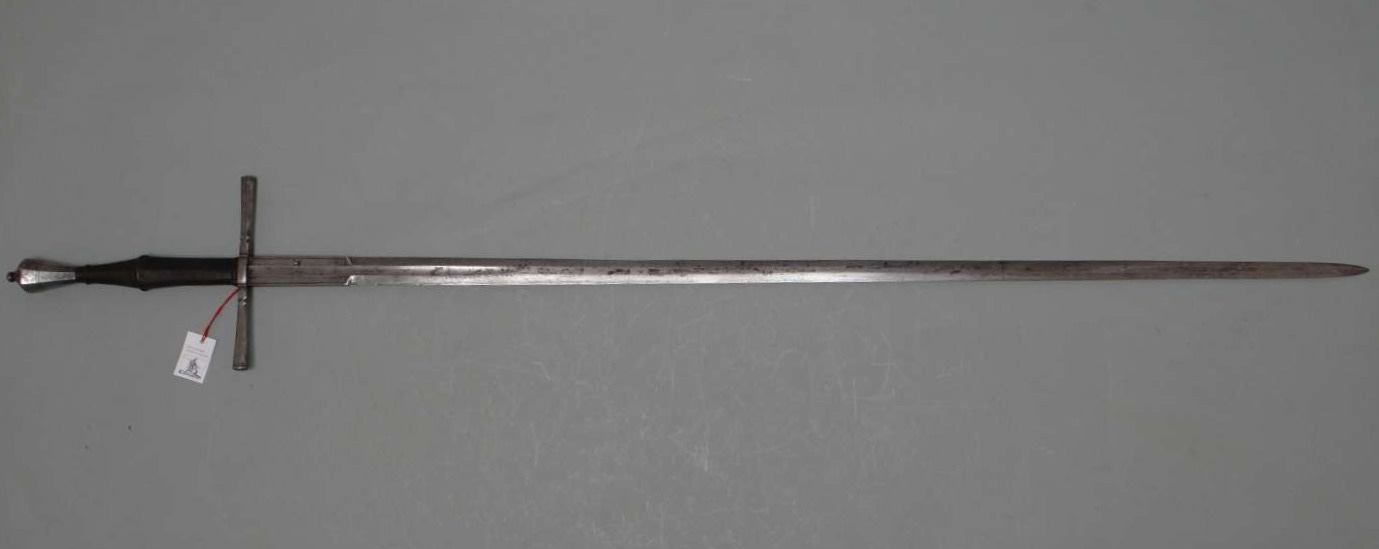


Other Examples
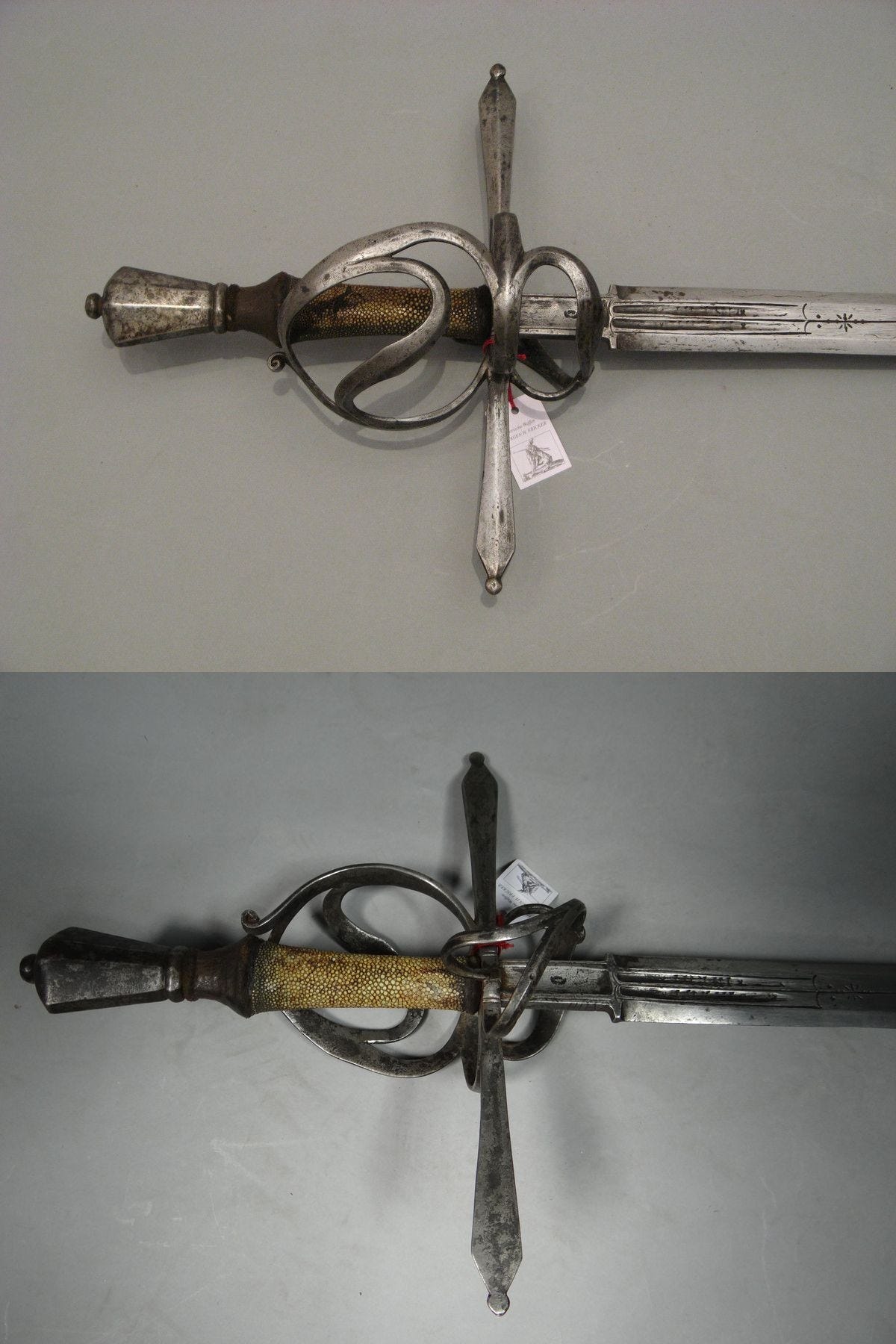


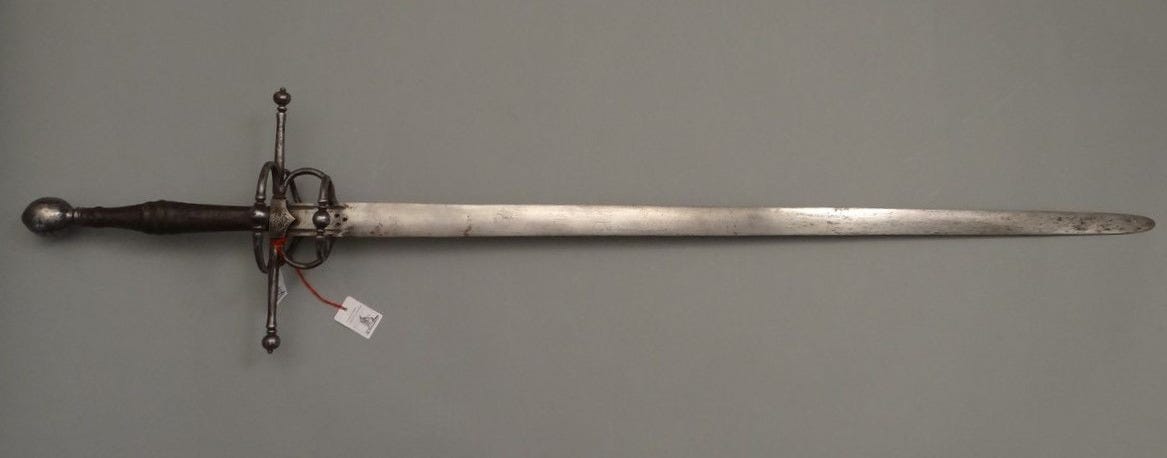
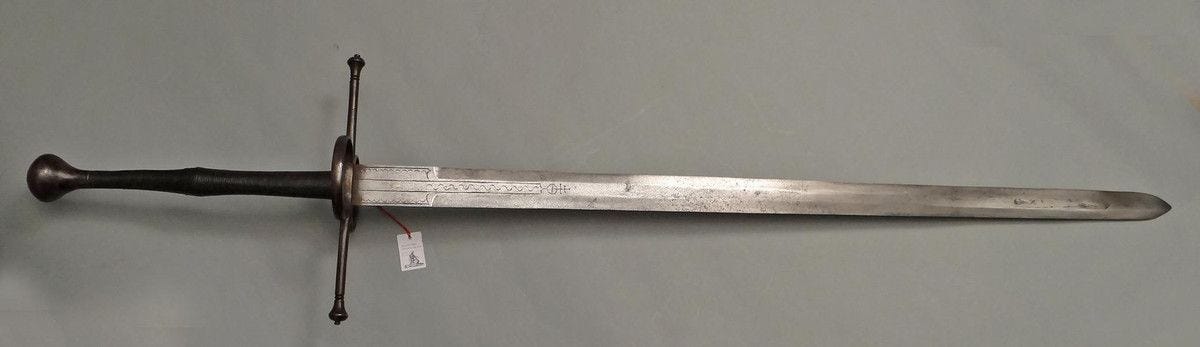


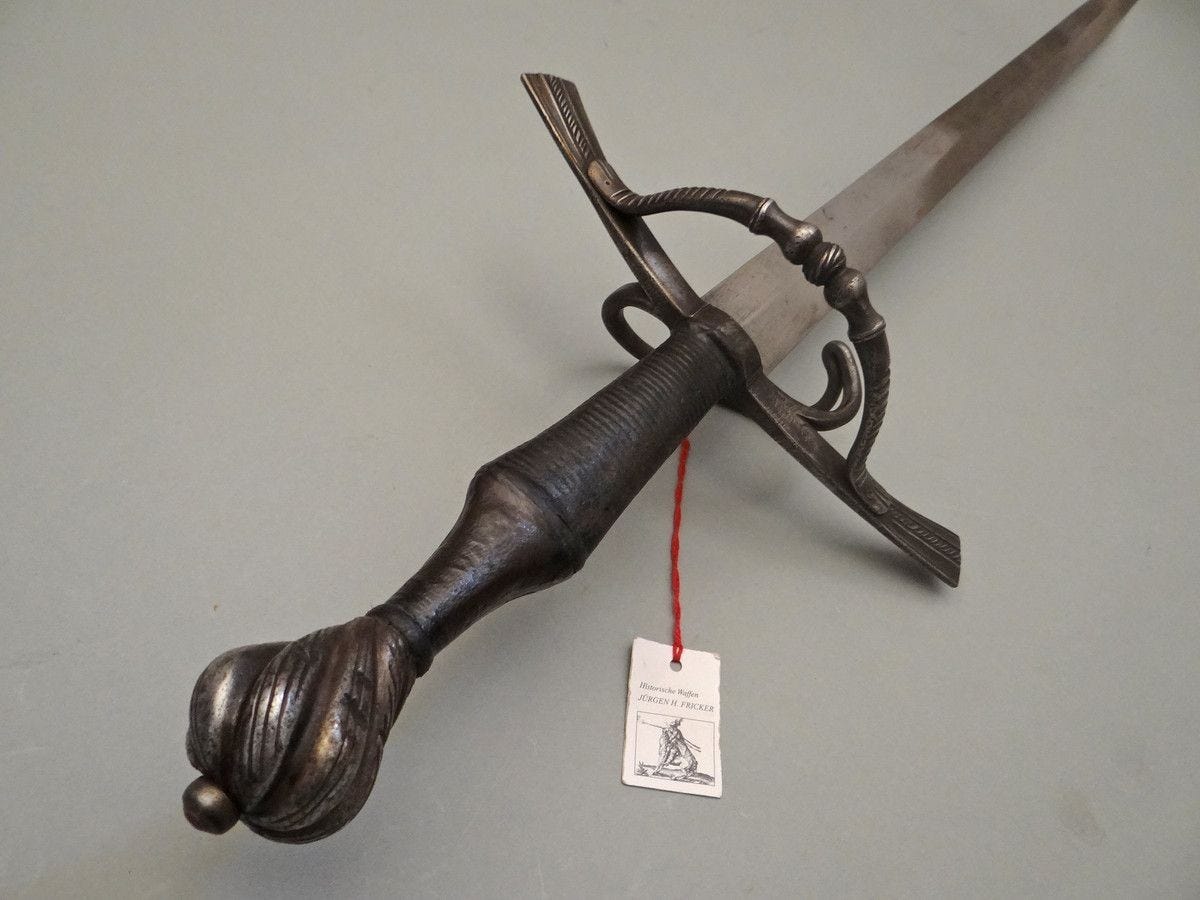
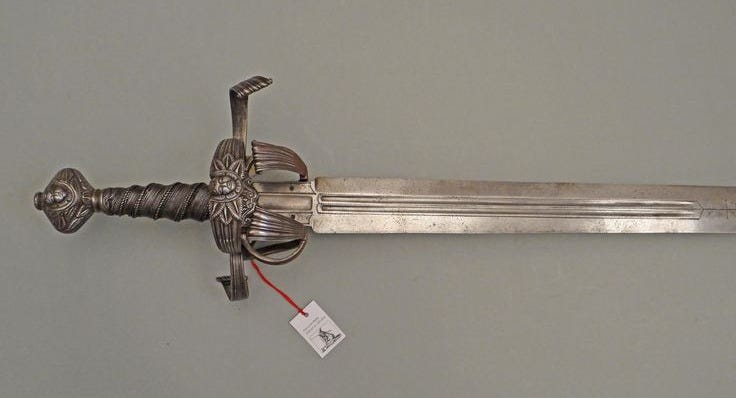
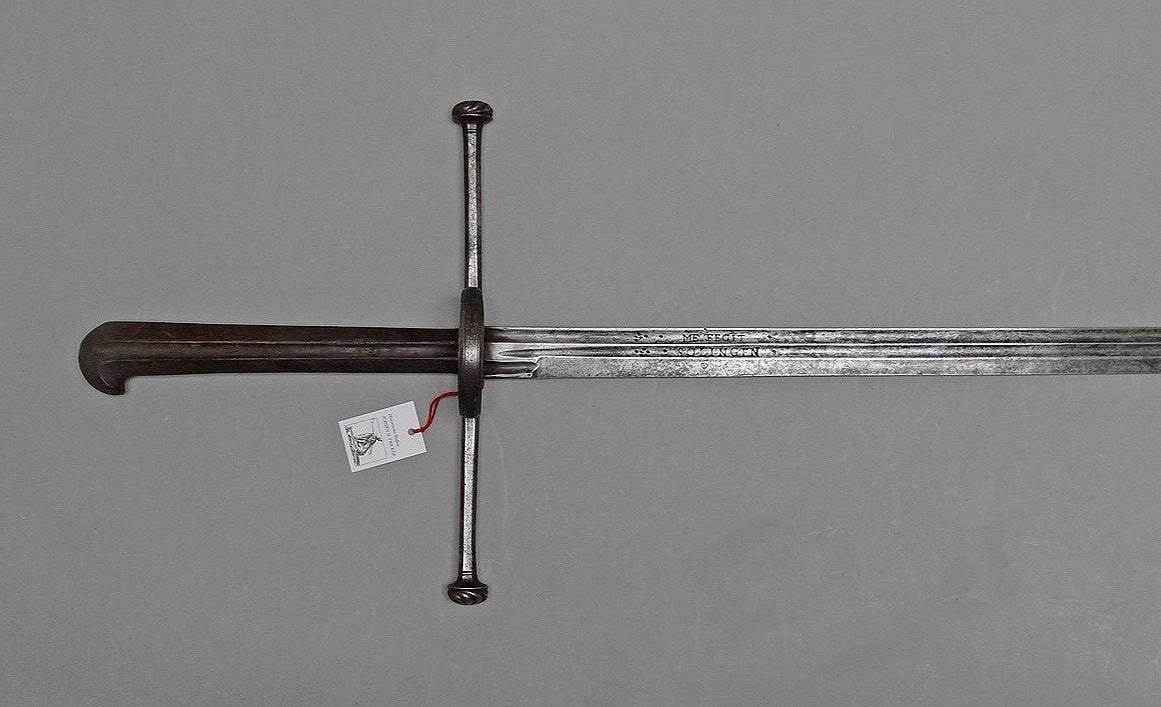
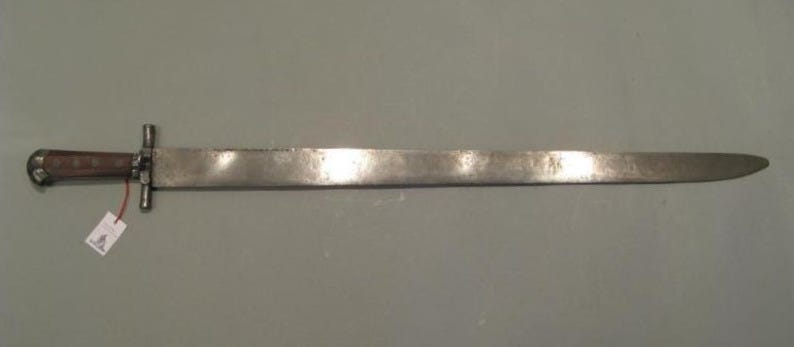
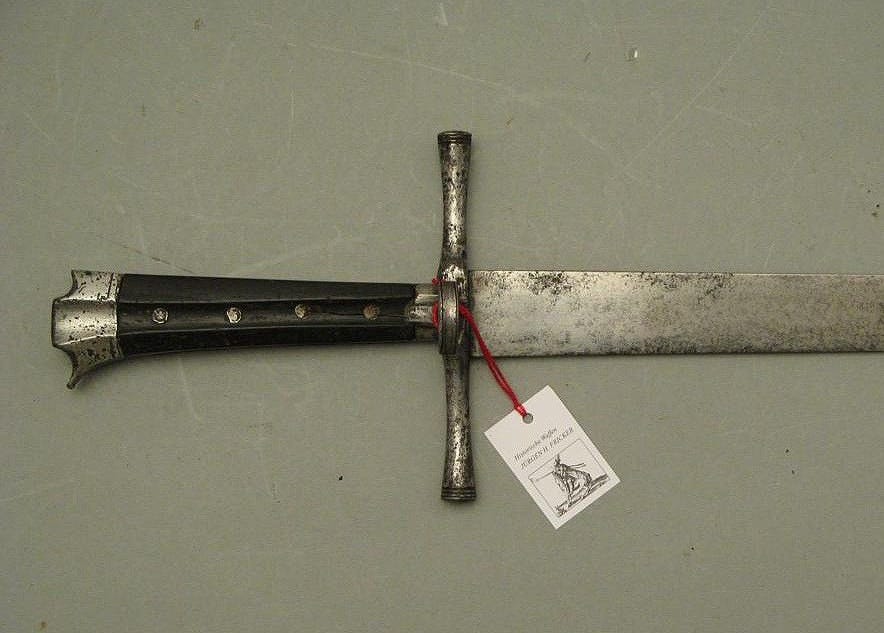
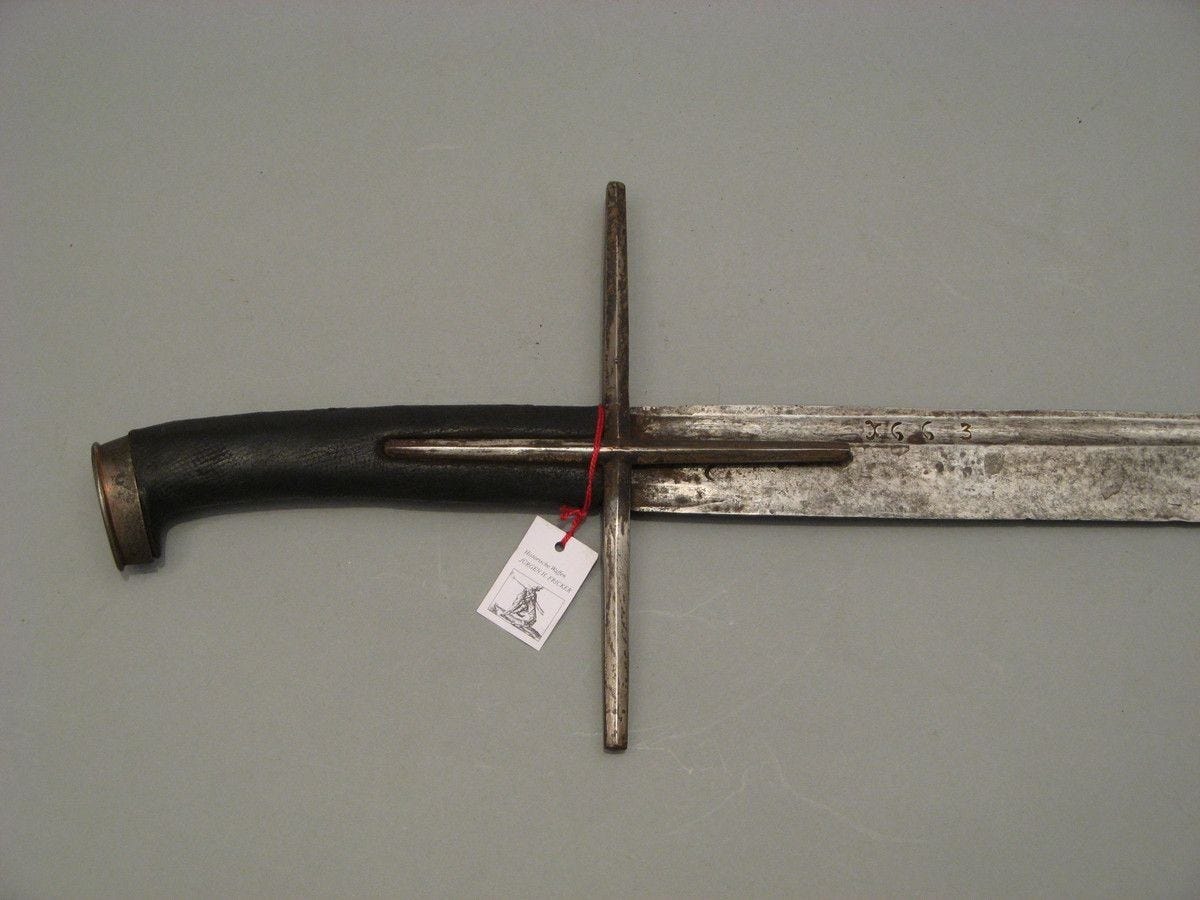
Zornhau Group
More examples at the group’s page. Stats are also available there as downloadable reports. Some say that they were drawn in with the opportunity to study these swords as a way to legitimise the these pieces. I don’t know. I guess, only they can answer.
Just One More Thing
Have you found an example you like? That one sword you don’t want to find out that it’s fake? That piece, you don’t even want to think that it may be fake? How many excuses are you running through your head… not all are fakes… not all are problematic… not all (not the one I like). And you may even be right!
That’s the problem to a large extent. The uncertainty poisons the well. For curators and auctions not to address these issues is a problem. And for the restorers and makers who engaged in the possible fabrication of antiques, please, just sell modern replicas for the sharp market. With this level of skill, you should not have trouble finding customers. Just sell the hilts to blade makers; there is room for you.
So if a sword looks great, but you find out that the dynamics are off, don’t rush to explain them from the premise of fencing. There may be other reasons why your ideal sword is not what it seems. Check first the provenance, just to be sure.